


































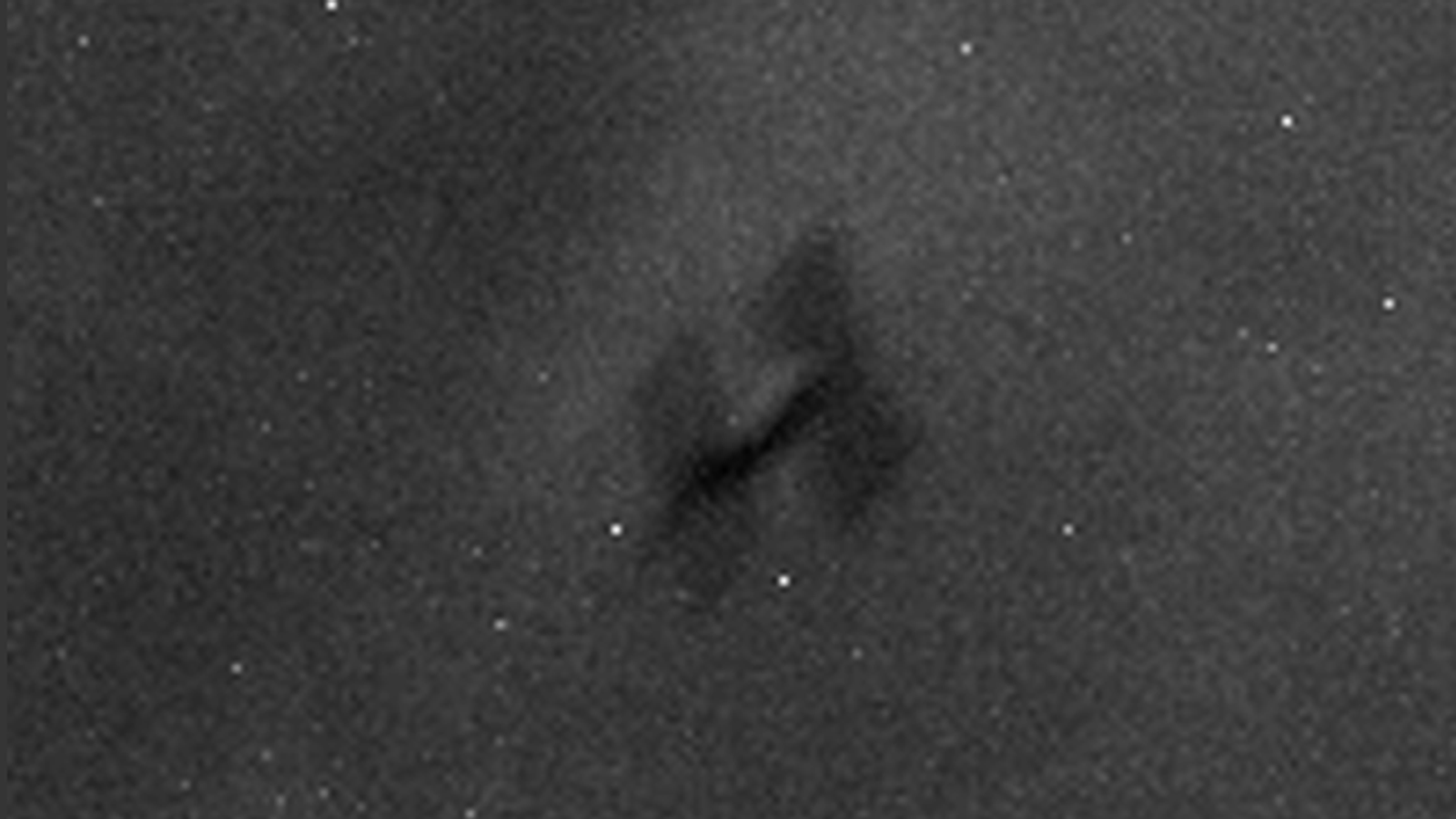
A satellite that has been orbiting Earth since the mid-1990s is now on an uncontrollable descent towards our planet and is expected to enter our atmosphere this Wednesday morning.
The Earth Remote Sensing Satellite-2 (ERS-2) is anticipated to disintegrate upon reentry, with most parts burning up during the descent.
Predictions about the exact time and location of reentry are challenging due to the uncontrolled nature of the satellite’s fall, as clarified by the European Space Agency (ESA).
The ESA’s most recent forecast suggests that ERS-2 will re-enter Earth’s atmosphere around 11:14 am on Wednesday. Nonetheless, there is a degree of uncertainty, with potential deviations of up to 15 hours before or after the projected time due to fluctuating solar activity.
Recent photographs of ERS-2’s chaotic approach towards the atmosphere were shared by ESA. These were captured in the time frame from January 14th to February 3rd, showing the satellite over 300km (186 miles) above ground.
The altitude of ERS-2 is currently decreasing rapidly, now below 200km (124 miles) from Earth and dropping more than 10km (6 miles) each day.
Once it descends to approximately 80km, the satellite is expected to disintegrate and incinerate. Although some debris may reach the surface, ESA anticipates it will predominantly plunge into the ocean.
ESA assures the public of minimal risk associated with satellite reentries like that of ERS-2. They confirmed that any surviving pieces would not contain hazardous or radioactive materials.
Launched in 1995, ERS-2 was once considered Europe’s most advanced environmental monitoring satellite. “It provided us with new insights on our planet, the chemistry of our atmosphere, the behavior of our oceans, and the effects of humankind’s activity on our environment,” stated Mirko Albani, head of ESA’s Heritage Space Programme.
The satellite was actively operated for 16 years before ESA commenced its decommissioning process. They used the remaining fuel to lower ERS-2 from an altitude of 785km (488 miles) down to 573km (356 miles) to avoid space collisions and to shorten its uncontrolled post-mission orbit from over a century to less than 15 years.
FAQ Section
- What is the ERS-2 satellite?
- The ERS-2 is an Earth observation satellite that was launched by Europe in 1995 to monitor the planet’s environment.
- Will pieces of ERS-2 reach the Earth?
- While it is likely that most of the satellite will burn up upon reentry, some small fragments could potentially reach the Earth, likely falling into the ocean.
- Is the descent of ERS-2 controlled?
- No, ERS-2’s reentry into Earth’s atmosphere is uncontrolled, and its descent is subject to the variability of solar activity.
- Are there any risks to people from the satellite reentry?
- According to the ESA, the risks posed by the reentry of satellites like ERS-2 are extremely low, and no hazardous materials are expected to survive the fall.
Conclusion
The imminent descent of the ERS-2 satellite marks the end-of-life for a spacecraft that has significantly contributed to our understanding of Earth. While its uncontrolled reentry poses uncertainties, the ESA’s experience and calculations indicate minimal threats to public safety. This event serves as a reminder of the increasing frequency of space debris reentries as our near-Earth orbit becomes more congested. It highlights the importance of responsible satellite decommissioning and the advancement of space debris mitigation strategies to protect the space environment for future generations.