

































In groundbreaking research, the thickness of an individual’s retina has been linked to the likelihood of heart and lung conditions.
Professor Nazlee Zebardast and her team from Harvard Medical School have discovered that a thinner photoreceptor layer in the retina seems to be connected with a higher risk of cardiovascular and pulmonary diseases, as reported by MedPage Today on January 30th.
Post examination of Optical Coherence Tomography (OCT) scans from 44,823 participants (average age 56.8, 53.7% female) from the UK Biobank data, strong correlations were found by the research team.
The researchers segmented the retina into nine layers, each with unique kinds of cells, and found significant associations between the thickness of these layers and various diseases.
Particularly, a standard deviation decrease in the thickness of the photoreceptor layer heightened the risk for non-hypertensive congestive heart failure by 25%, chronic obstructive pulmonary disease by 31%, myocardial infarction by 17%, and lung cancer by a staggering 47%.
Furthermore, conditions like multiple sclerosis and alcoholic liver disease appear to be linked with a thinner retinal ganglion cell complex layer.
Other associations were discovered with diseases such as ischemic heart disease, ECG abnormalities, diabetes (types 1 and 2), pneumonia, chronic bronchitis, elevated resting heart rates, and high blood triglyceride levels.
The study suggests that poor heart and lung function can adversely affect retinal blood flow and cellular health, potentially causing a reduction in retinal layer thickness. The increase in 10-year mortality risk stood at 16% with a reduction in the photoreceptor layer’s thickness and 12% with thinning of the retinal ganglion cell complex layer.
The researchers explained that certain conditions including multiple sclerosis, epilepsy, and alcohol use disorder can cause damage to the retina’s nerve fibers. Drug use disorder may also lead to optic neuropathy, causing nerve degeneration and thinning of the inner retinal layers.
While there was not direct evidence establishing a causal relationship, the findings highlight a link between retinal health and systemic health, providing novel insights into disease prevention through retinal examinations.
Dr. Piers Keen from Moorfields Eye Hospital in London underscores the significance of retinal microvessels as the only viewable circulatory system in the body and their connection to the central nervous system.
Despite the findings, he cautions that some links may be the result of confounding factors such as medications or the secondary effects of cardiac metabolism.
This research has been published in the respected journal, *Science Translational Medicine*.
FAQ Section
What is the significance of this study?
This study shows a possible link between the thickness of various retina layers and the presence of heart and lung diseases, suggesting that examining the retina could help in the early detection and prevention of these conditions.
What technology was used for the analysis?
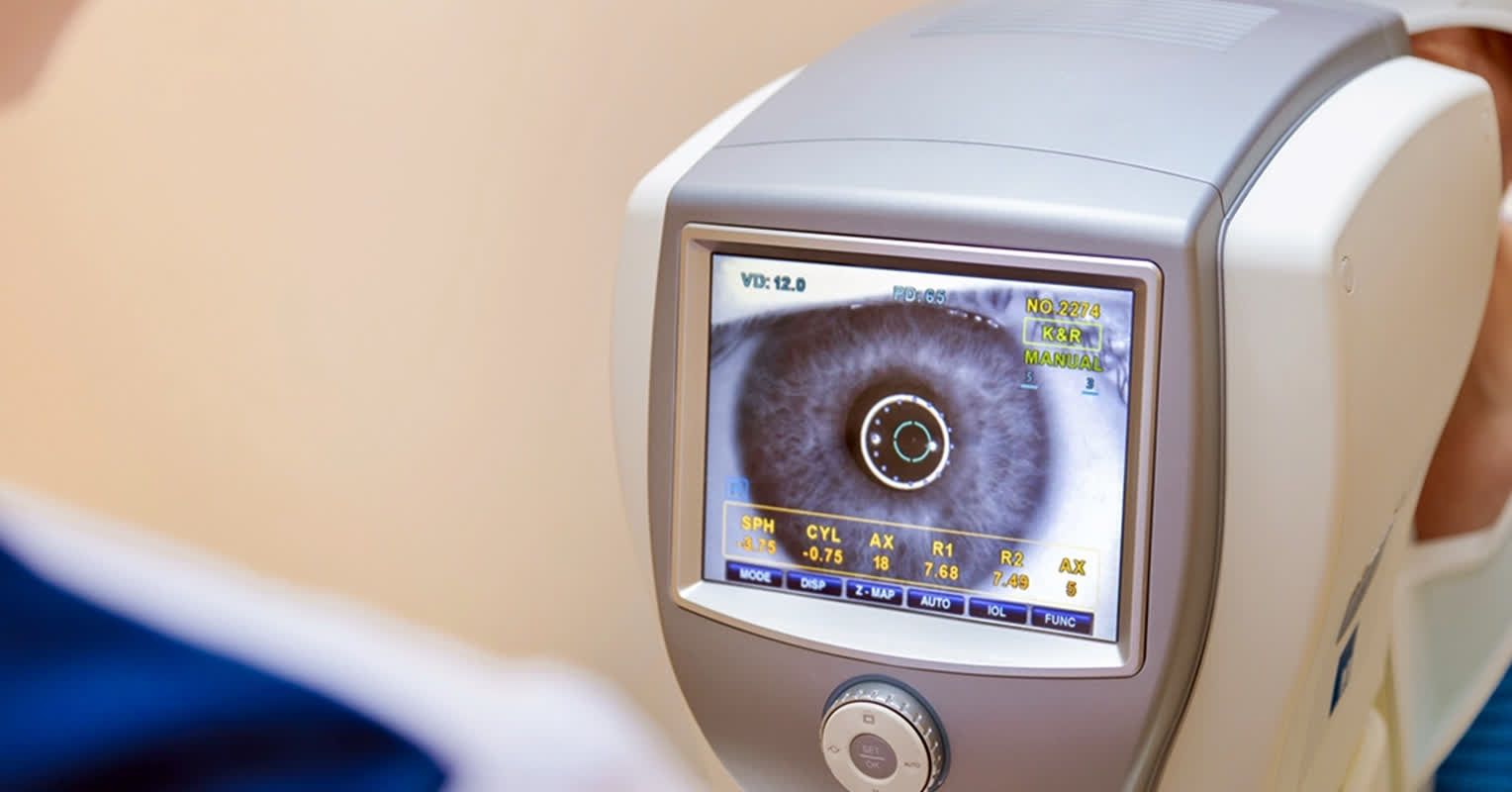
Optical Coherence Tomography (OCT) scans were used to assess the thickness of the participants’ retina layers in the study.
Is there direct evidence connecting retinal thickness to heart and lung diseases?
The study observed correlations between decreased retinal thickness and these conditions, but did not provide direct evidence of causation.
How can retina imaging help in preventing diseases?
Retina imaging can reveal early signs of systemic diseases that could then be further investigated and managed to prevent progression.
Are there any limitations to the findings of this study?
Yes, Dr. Piers Keen pointed out that confounding factors related to other medications or cardiac metabolism effects might influence these associations.
Conclusion
This research opens a novel perspective on the relationship between the eye and overall health, particularly in identifying risk factors for cardiovascular and pulmonary diseases. As the retina becomes a window to our systemic health, OCT imaging could become an invaluable tool in preventative medicine. While further research is needed to clarify the causal relationships and eliminate confounding variables, the prospect of utilizing retinal assessments in routine screenings holds promise for improving health outcomes on a global scale.