

































[ad_1]
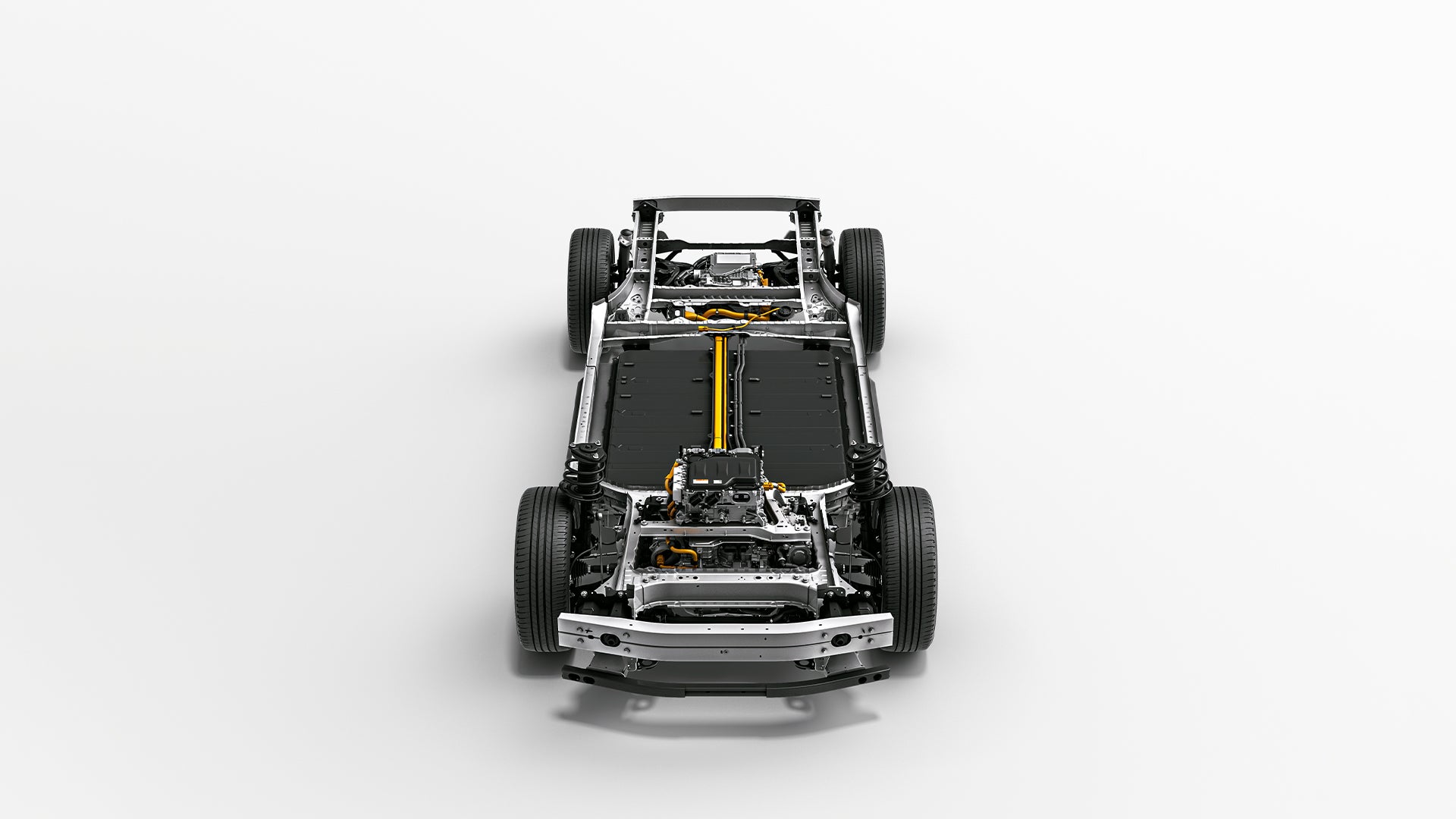
While lithium-metal batteries are not yet mainstream in electric and hybrid vehicles, they possess qualities like higher energy density and reduced weight compared to lithium-ion batteries currently used in EVs. Unfortunately, lithium-metal batteries are prone to rapid degradation after several charge cycles, posing a challenge for their adoption in production vehicles. Intriguingly, researchers at Stanford University have discovered that allowing these batteries to simply rest can actually reverse their degradation to levels that support practical use. Batteries that recover during downtime are something many of us can empathize with.
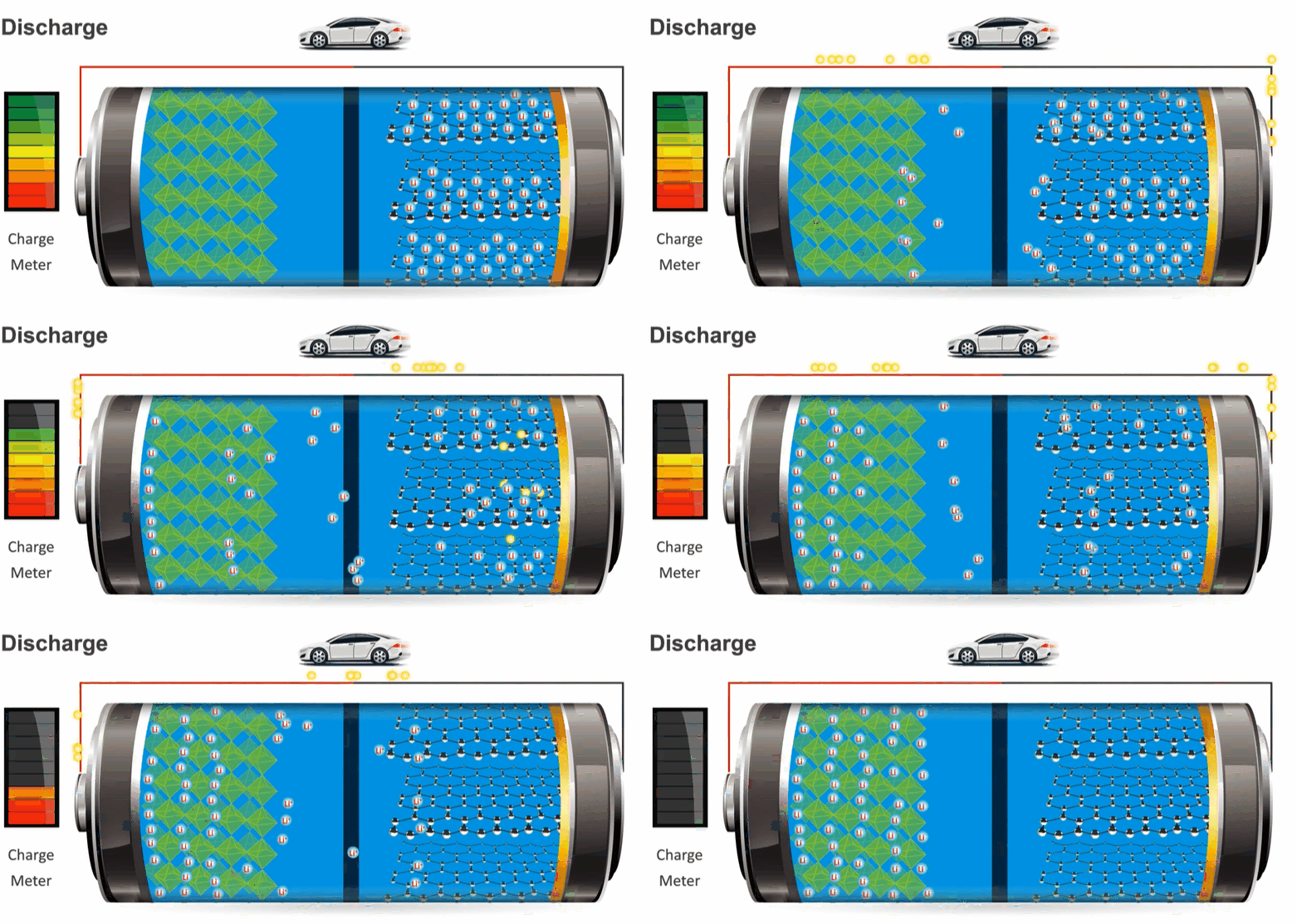
Lithium-metal batteries differ from lithium-ion ones primarily in their anode design. Conventional lithium-ion batteries, such as those found in many EVs, include a graphite anode, a lithium metal-oxide cathode, and a liquid electrolyte. The lithium ions travel across the electrolyte from the anode to the cathode during operation.
Replacing the graphite anode with lithium metal, lithium-metal batteries are not only lighter but also have the ability to store twice the energy in the same volume. “Imagine a car with a lithium-metal battery that could travel up to 600 miles on a single charge, as opposed to the 300 miles afforded by a similar lithium-ion-equipped vehicle,” suggests Philaphon Sayavong, a PhD student in chemistry and co-lead author of the study.
A drawback is the trapping of lithium ions within the solid electrolyte interphase (SEI), a sort of a sponge-like matrix at the conjunction of the anode and electrolyte, as explained by Wenbo Zhang, Stanford PhD candidate in materials science and engineering. The trapped lithium is considered ‘dead’ since it no longer partakes in the battery’s electrochemical reactions.
Typically, with frequent use, a lithium-metal battery’s capacity and range diminish rapidly. The Stanford team found, however, that letting such a battery rest entirely depleted initiates a self-healing process. Remarkably, even a short rest of one hour triggers this beneficial effect.
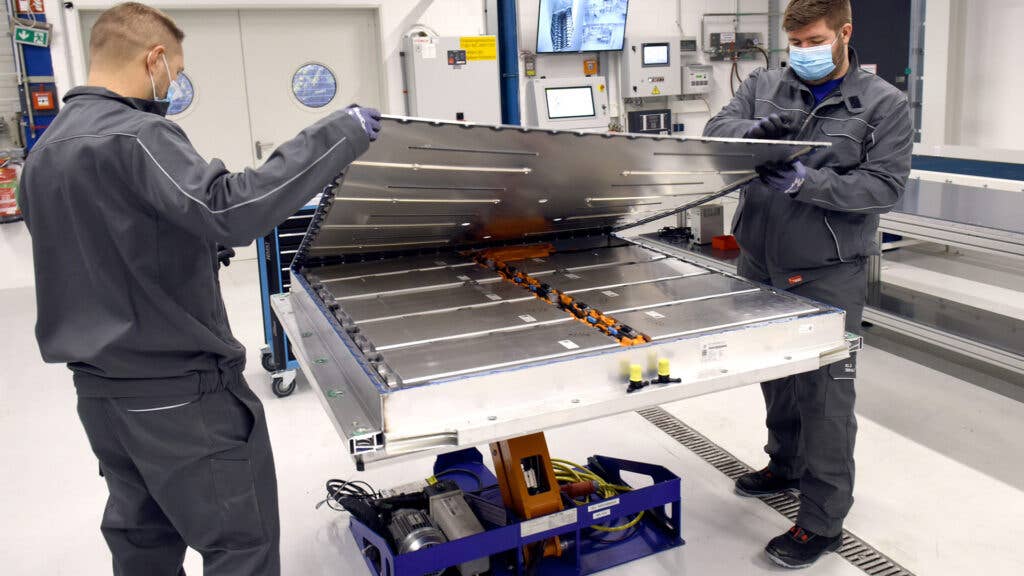
Volkswagen
Leaving the battery to sit in a discharged state lets part of the SEI matrix dissolve, allowing the ‘dead’ lithium to reconnect with the anode upon the next recharge, with diminished solid mass obstructing the process, Sayavong elaborates.
For daily use, it may not be feasible to rest a car battery for hours, but since battery packs comprise many individual cells, management software could be designed to cycle cells through rest periods, even while others are in use. Additionally, scheduling a battery rest during prolonged non-use periods, such as a vacation, is a strategy that requires no additional hardware—just revised software coding for better battery management.
It is crucial to note that this restorative principle applies solely to lithium-metal batteries—not to lithium-ion batteries which do not respond well to full discharges and could, in fact, suffer reduced lifespan from such treatment.
Progress is still required to optimize lithium-metal batteries and their self-healing protocols for use in vehicles. Nonetheless, Zhang is optimistic that with this restful strategy, these pioneering batteries could soon provide benefits like extended range, less weight, and expedited charging for future EVs.
“We theorize that specific kinds of lithium-metal batteries could achieve a substantially longer life cycle for EVs when allowed to rest while fully discharged,” remarks the research team.
Got tips? Send ’em to tips@thedrive.com
[ad_2]
FAQ Section
What is a lithium-metal battery?
A lithium-metal battery is a type of battery that has a lithium metal anode instead of the graphite anode used in lithium-ion batteries.
What are the benefits of lithium-metal batteries over lithium-ion batteries for EVs?
Lithium-metal batteries can store double the energy in the same amount of space and are lighter, potentially offering a vehicle with twice the range of a similar lithium-ion-equipped vehicle without increasing its size or weight.
How does resting a lithium-metal battery help it?
Resting a fully discharged lithium-metal battery allows part of the solid electrolyte interphase to dissolve, facilitating the reintegration of ‘dead’ lithium with the anode during the next charge cycle, effectively ‘healing’ the battery.
Can all types of EV batteries be rested for self-healing?
No, this self-healing process is specific to lithium-metal batteries and does not apply to lithium-ion batteries. Full discharges can harm lithium-ion batteries and reduce their lifespan.
What changes are necessary to implement this self-healing process in EVs?
The primary change required is the development of battery management software that allows for individual cells within the battery pack to rest, or the planned resting of the battery during extended periods of non-use.
Conclusion
The potential for lithium-metal batteries to revolutionize electric vehicles is promising, especially with the discovery from Stanford University about the self-healing capacity of these batteries through restful periods. While more refinement is required to bring this technology to commercial viability, the implications for longer battery life, greater driving range, and improved sustainability of EVs are indeed significant. The future of electric motoring may rest not only on technological advances but also on strategic periods of repose for the cutting-edge batteries that power it.