
































The latest model from Tesla, the highly anticipated Cybertruck, has found itself in the midst of a corrosion controversy.
Reports from international media outlets like Futurism on February 14 suggest that some members of the Cybertruck Owners Club forum have noticed worrying signs of corrosion on their vehicles. One member in particular highlighted that “small orange flecks”, which typically signify rust, started appearing on the surface of his Cybertruck after he had driven in the rain for a couple of days. Despite attempting to rectify the issue with self-polishing, they were not able to completely remove the blemishes.
This is not an isolated incident, as more users are heading online to share images and accounts of similar experiences with rust spots on their Cybertrucks via various social media channels.
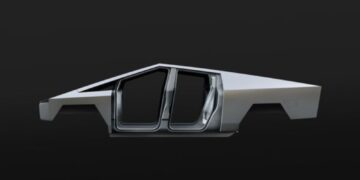
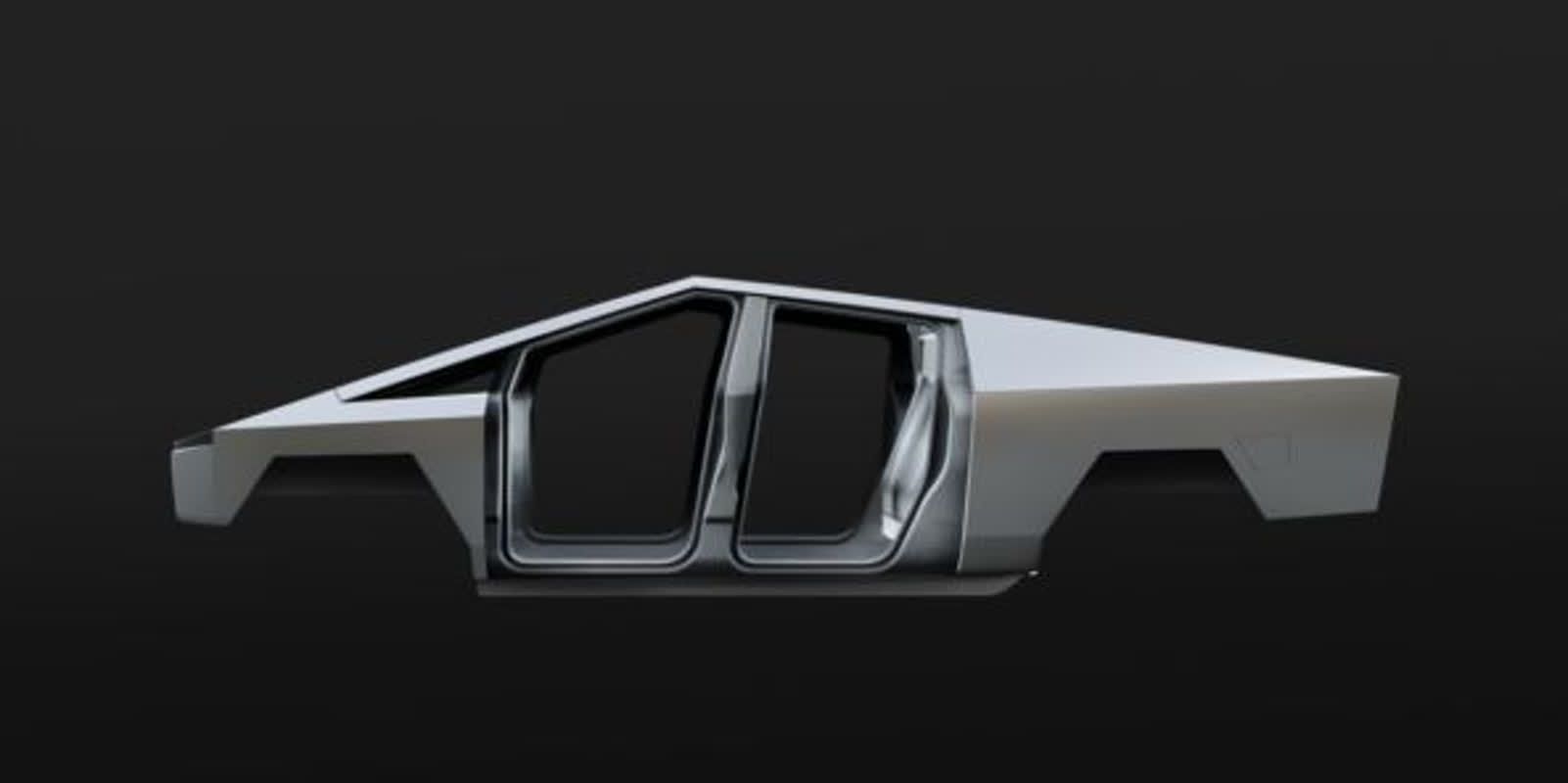
Despite the Cybertruck’s construction utilizing ultra-hard cold-rolled 30x stainless steel, which boasts high resistance to external impact and supposed minor corrosion risk, multiple users have observed corrosion in various spots.

Some experts have suggested that the discoloration might not be rust, speculating that it could be due to iron or carbon particles from the surrounding environment or within the manufacturing area itself.
For its part, Tesla has acknowledged the potential for corrosion in the stainless steel body under specific conditions, as stated in the Cybertruck manual. They advocate prompt removal of substances like oil, bird droppings, insect remains, tree sap, road asphalt tar, and road salt to avoid damage to the vehicle’s exterior.
To address these concerns, Tesla advises Cybertruck owners that “the exterior of the Cybertruck is susceptible to corrosion” and urges the use of water and a mild detergent to cleanse any stains or oil residues.
FAQ Section
- What is causing the corrosion on the Tesla Cybertrucks?
The exact cause of the corrosion is not definitively known, but it is speculated that it could be due to environmental iron or carbon particulates or other factors as outlined in Tesla’s Cybertruck manual. - Do all Tesla Cybertrucks have this corrosion issue?
Not all Cybertrucks may have this issue, as reports have emerged from members of the Cybertruck Owners Club forum and scattered social media posts. It isn’t clear how widespread the problem is. - Can the corrosion on the Cybertrucks be fixed?
Tesla suggests that owners should immediately use a mild detergent and water to clean affected areas. However, it is uncertain if this is a permanent fix for the corrosion issue reported by some owners. - Is the Tesla Cybertruck’s body known to resist corrosion?
The Cybertruck is built with ultra-high hardness cold-rolled 30x stainless steel, which is expected to be highly resistant to corrosion, although some circumstances may lead to corrosion according to the vehicle’s manual.
Conclusion
The introduction of the innovative Tesla Cybertruck has brought with it a set of concerns regarding the vehicle’s resistance to corrosion after rain exposure. While Tesla’s reliance on sturdy materials like cold-rolled 30x stainless steel suggests a high degree of durability, recent reports from users indicate that the truck may not be as impervious to the elements as initially thought. The company has provided guidelines to mitigate this issue but whether these measures will suffice in the long term remains to be seen. As Tesla continues to roll out its Cybertrucks, the response from the automaker and the experiences of owners will be critical in assessing the true resilience of the Cybertruck’s design against the rigors of the environment.