
































In recent developments coming out of Warsaw, Poland, there has been serious concern expressed over the comments made by former U.S. President Donald Trump on the commitment of NATO to its under-spending members. NATO Secretary-General Jens Stoltenberg issued a powerful rejoinder, implying that such comments jeopardize the collective defense agreements and consequently, the safety of American and allied forces.
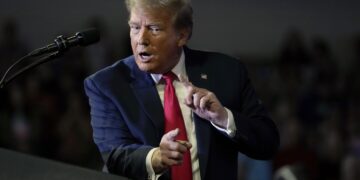
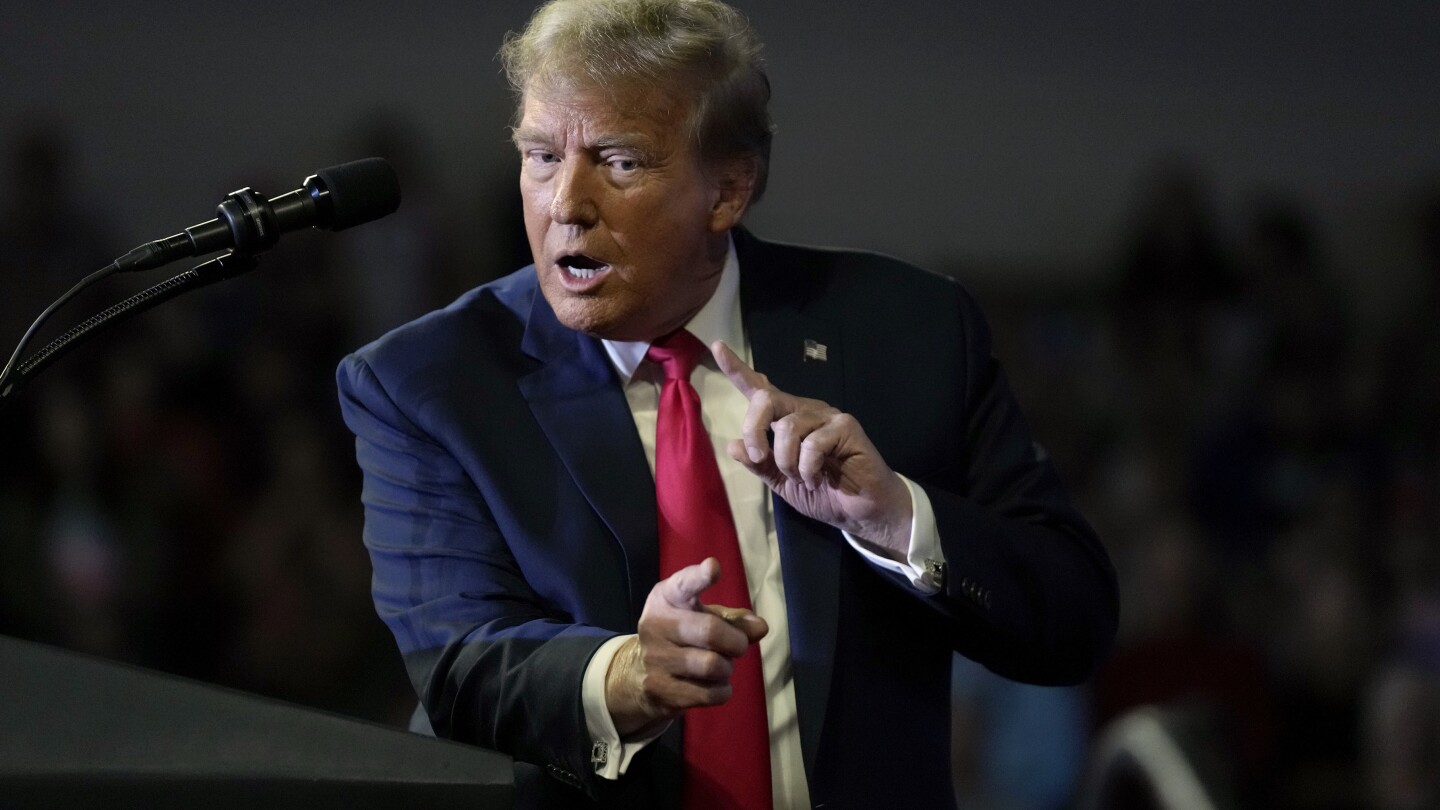
During a political gathering in South Carolina, Trump mentioned a conversation where he threatened a NATO ally with Russian aggression, should they fail to meet their financial obligations to NATO, challenging the very fabric of the alliance.
These remarks have garnered attention not only from the NATO leadership but also from leaders of nations such as Poland, where there is a historical sensitivity to Russian dominance and an immediate proximity to the ongoing conflict in Ukraine.
While Trump’s senior adviser advocates for the former president’s capability to compel NATO members to augment defense spending, Stoltenberg and others within the alliance maintain their belief that U.S. support for NATO will continue unwaveringly, no matter the outcome of future elections.
The cornerstone principle of NATO, mutual defense as laid out in Article 5 of the treaty, has thus far been a pivotal aspect of the transatlantic security dialogue. The only instance of its activation was in response to the 9/11 attacks on the U.S. As the alliance continues to bolster its military in the face of the Ukraine conflict, the collective resolve is to remain steadfast.
Meanwhile, European nations face repeated calls to increase their military spending to mirror the seriousness of potential threats, especially given the uncertainties surrounding the possibility of Trump returning to office and his historical rapport with Russian leadership.
As NATO’s 75th anniversary approaches, member states await the announcement of a new Secretary-General who will inherit the task of navigating through complex global security challenges, which now include the repercussions of influential figures undermining the spirit of collective defense.
___
This report comes from Warsaw with additional input from Brussels and Berlin.
FAQs on NATO Security and Trump’s Russia Comments
- Q: What was the nature of Trump’s comments on Russia and NATO?
- A: Trump suggested that he would allow Russia to do “whatever the hell they want” with NATO members who do not meet their defense spending obligations.
- Q: How does NATO ensure collective defense among its members?
- A: NATO’s collective defense is guaranteed by Article 5 of its founding treaty, which states that all members will come to the aid of any ally under attack.
- Q: What is the current defense spending target for NATO members?
- A: NATO allies have agreed to aim for spending 2% of their GDP on defense by 2024.
- Q: Has Trump’s senior adviser responded to the concerns raised?
- A: Yes, Trump’s senior adviser stated that Trump is more capable of getting allies to increase their NATO spending compared to President Joe Biden.
- Q: What is the significance of NATO’s 75th anniversary?
- A: The 75th anniversary of NATO, which is marked in July, is significant for the announcement of a new Secretary-General and evaluating the progress and future direction of the alliance.
Conclusion
Donald Trump’s recent remarks suggesting a lack of U.S. support for certain NATO allies have evoked strong reactions from the international community, particularly in Europe. The overarching concern is the potential erosion of NATO’s mutual defense principle, a cornerstone of transatlantic security. As the world faces complex security challenges, clarity and commitment within alliances such as NATO are of utmost importance. With the approach of NATO’s 75th anniversary, the appointment of a new Secretary-General, and the continued support of the U.S. regardless of its political leadership, are essential to maintaining the integrity and effectiveness of the alliance.