

































South Korea’s Readiness for Defensive Response with Precise Strikes on North Korean Nuclear Sites and Military Front
Fielding Cluster Munition Warheads to Counter North Korean Threats
Capability to Engage Targets Despite Electronic Jamming
![함정서 단 1발로 北 도발원점 응징…최대 250㎞ 날아가 축구장 면적 2배 초토화[이현호 기자의 밀리터리!톡]](https://contents-cdn.viewus.co.kr/image/2024/02/CP-2023-0094/image-5de880c9-e7bc-46a2-9c89-32d6a6ab4609.jpeg)
The Republic of Korea Navy’s Aegis destroyer, ROKS Jeongjo the Great (DDG-995), commissioned through the KDX-III Batch-II project, is set to join the fleet in November 2024. This destroyer is enhanced with advanced Aegis systems and formidable offensive arsenals, outclassing its predecessors in striking power and defensive capabilities.
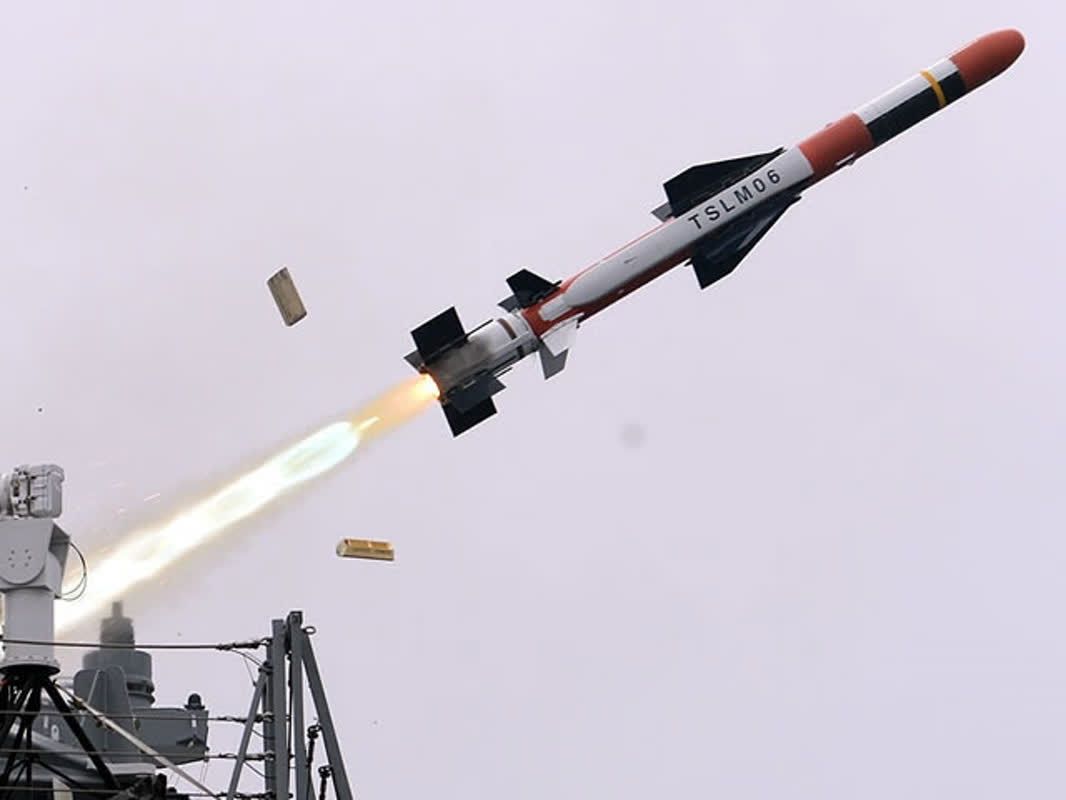
The Navy intends to arm the ship with cutting-edge missiles such as the Haeryong tactical sea-based ballistic missile, capable of hitting targets over 150-200 kilometers away. A significant investment of approximately $514 million is channelled into developing these domestically produced sea-based ballistic missiles, highlighting South Korea’s commitment to bolstering its preemptive strike system against North Korean threats.
Fragmentation Warheads for Ground Suppression
The development of sea-based ballistic missiles, previously achieved by only a few nations like Israel and India, gives South Korea a strategic edge by providing a faster and more devastating response to potential northern provocations compared to conventional cruise missiles.
South Korea’s Haeryong missile can decimate an area equivalent to two soccer fields and is central to the nation’s retaliation strategy. This system can strike a wide array of ground critical targets, making it a pivotal addition to the Navy’s arsenal.
Designed to overpower enemy naval and coastal defenses, the Haeryong missile employs advanced navigation systems, including satellite tracking, to ensure accuracy even in the face of GPS jamming.
![함정서 단 1발로 北 도발원점 응징…최대 250㎞ 날아가 축구장 면적 2배 초토화[이현호 기자의 밀리터리!톡]](https://contents-cdn.viewus.co.kr/image/2024/02/CP-2023-0094/image-2d927c6f-ded3-457e-a22d-24ddaab0c543.jpeg)
Serving as a crucial measure for immediate retaliation, the Haeryong missile can target North Korean Silkworm and advanced Geumseong-3 ground-to-ship missiles. The missile has been integrated with Korean naval assets since 2017, enhancing the country’s defensive and offensive maneuvers.
The system boosts the operational scope of the Korean Navy, enabling precision attacks on North Korean coastal defenses, missile sites, and inland command structures.
The multi-faceted capabilities of the Haeryong missile, fortified with submunitions, position it as a formidable deterrent against northern assaults, reinforcing South Korea’s military posture.
Expanded Naval Operations Through Improved Capability
The incorporation of this missile also introduces enhanced maneuverability and resistance to enemy jamming, elevating South Korea’s defense and strike options.
Ultimately, these advancements signify a considerable augmentation of the South Korean Navy’s operational reach and actions, providing a robust answer to both immediate and potential hazards from North Korea.
FAQs About South Korea’s Precision Strike Capabilities
- What is the Haeryong tactical sea-based ballistic missile?
- The Haeryong tactical sea-based ballistic missile is a South Korean missile designed to launch from warships and precisely strike ground targets, such as North Korean military facilities.
- How far can the Haeryong missile travel?
- The Haeryong missile has a range of up to 250 kilometers (155 miles).
- Can the Haeryong missile operate under GPS jamming?
- Yes, the Haeryong missile is equipped with an improved GPS jamming response system.
- What is the significance of the ROKS Jeongjo the Great (DDG-995)?
- ROKS Jeongjo the Great is South Korea’s advanced Aegis destroyer that will be armed with Haeryong and other strategic missiles, significantly enhancing the country’s military capabilities.
- When will the ROKS Jeongjo the Great be commissioned?
- The ROKS Jeongjo the Great is scheduled to be commissioned in November 2024.
Conclusion
South Korea’s initiative to develop and deploy advanced maritime precision strike capabilities reflects a strategic approach to national defense and deterrence. The forthcoming commissioning of the ROKS Jeongjo the Great and the integration of the Haeryong sea-based ballistic missile symbolize the nation’s commitment to maintaining a balanced power stance on the Korean Peninsula. By enhancing the precision and reach of its naval forces, South Korea is not only safeguarding its sovereignty but also promoting regional stability in the face of persistent North Korean provocations.