



































Regularly examining our bodies for unusual growths is now part and parcel of health maintenance.
Yet, there’s a growing interest in understanding the role of genetics in predisposing individuals to diseases like cancer or cognitive disorders. The question arises—should we uncover these genetic predispositions even when there are diseases for which we have no cure?
The idea gained momentum following the “Angelina Jolie effect“.
In 2013, Jolie publicly shared her choice to undergo a double mastectomy after discovering she had a defective BRCA1 gene, indicating a significant risk of breast and ovarian cancers. This decision was taken post “predictive” genetic testing based on her family’s medical history.

“Angelina Jolie in 2013 – the year she made public her mastectomy decision. Pic: AP”
The NHS is grappling with the rising demand for genetic testing in unaffected individuals with a significant family history of cancer. According to Professor Gareth Evans, limited resources have created “a real log jam” in the system.
Tracie Miles from the Eve Appeal charity calls these situations “ticking time bombs” due to lengthy waits for testing. Emma Lorenz’s story underlines the critical nature of timely testing; a delay in her sister’s NHS predictive testing likely delayed the detection of cancers in both sisters.
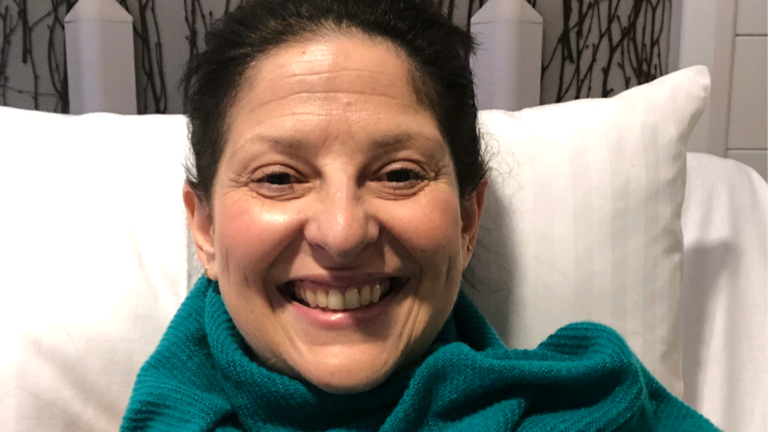
“Emma during her battle with cancer. Pic: Emma Lorenz”
Predictive genetic testing extends beyond cancer; tests are also available for illnesses like dementia, where there’s no cure. Dr Alisdair McNeill points out that while a positive test enables informed choices about one’s life, it is vital to understand the lack of treatments available.
Jayde Greene’s story accentuates the weighty considerations of genetic testing. After several family members were diagnosed with early onset Alzheimer’s, she underwent testing at 27 to prepare for her future and that of her son.

“Jayde Green”
Despite the psychological impact of a positive test result, genetic counsellors play a pivotal role in supporting patients. But the UK has a shortfall of these specialists, leading some people to opt for direct-to-consumer testing, which can lack the necessary counselling component and might lead to inaccurate results.
Ultimately, whether to undergo genetic testing is deeply personal and contingent on the disease in question. Proponents stress that while knowledge can be frightening, it is also empowering, giving individuals agency over their health.
Kellie Armer’s insight on genetic testing reflects this sentiment. After her positive BRCA1 mutation test, she is preparing for preventive surgery, driven by the desire to be there for her children in the future.

“Kellie on her wedding day. Pic: Kellie Armer”
Both cancer risk and Alzheimer’s evidence the complexities and emotional challenges surrounding genetic testing. The debate continues as the medical community calls for lowered thresholds for predictive testing and increased public awareness on genetic risks associated with cancer.
[ad_2]
FAQs about Genetic Testing and Disease Predisposition
- Why might someone choose genetic testing for incurable diseases?
- Despite the lack of a cure, individuals may opt for genetic testing to make informed life decisions, prepare for potential health outcomes, and explore family planning or IVF to prevent passing on genetic mutations.
- What challenges does the NHS face with genetic testing?
- The NHS struggles with meeting the high demand for genetic testing due to limited resources such as the shortage of genetic counsellors. This resource strain can result in long waiting periods for those in need of testing.
- Can an individual get tested for the BRCA gene like Angelina Jolie did?
- Yes, the NHS offers genetic testing for BRCA1 and BRCA2 genes under certain conditions, including family history and age of onset in relatives.
- What mental health considerations are associated with positive genetic test results?
- Learning of a predisposition to a serious disease like Alzheimer’s or cancer can result in significant mental and emotional distress, necessitating support from healthcare professionals and potentially genetic counselling.
- Are direct-to-consumer genetic tests reliable?
- Direct-to-consumer genetic tests may not always be accurate and typically lack the genetic counselling and support provided through clinical settings, which can lead to misinformation and additional stress for individuals.