

































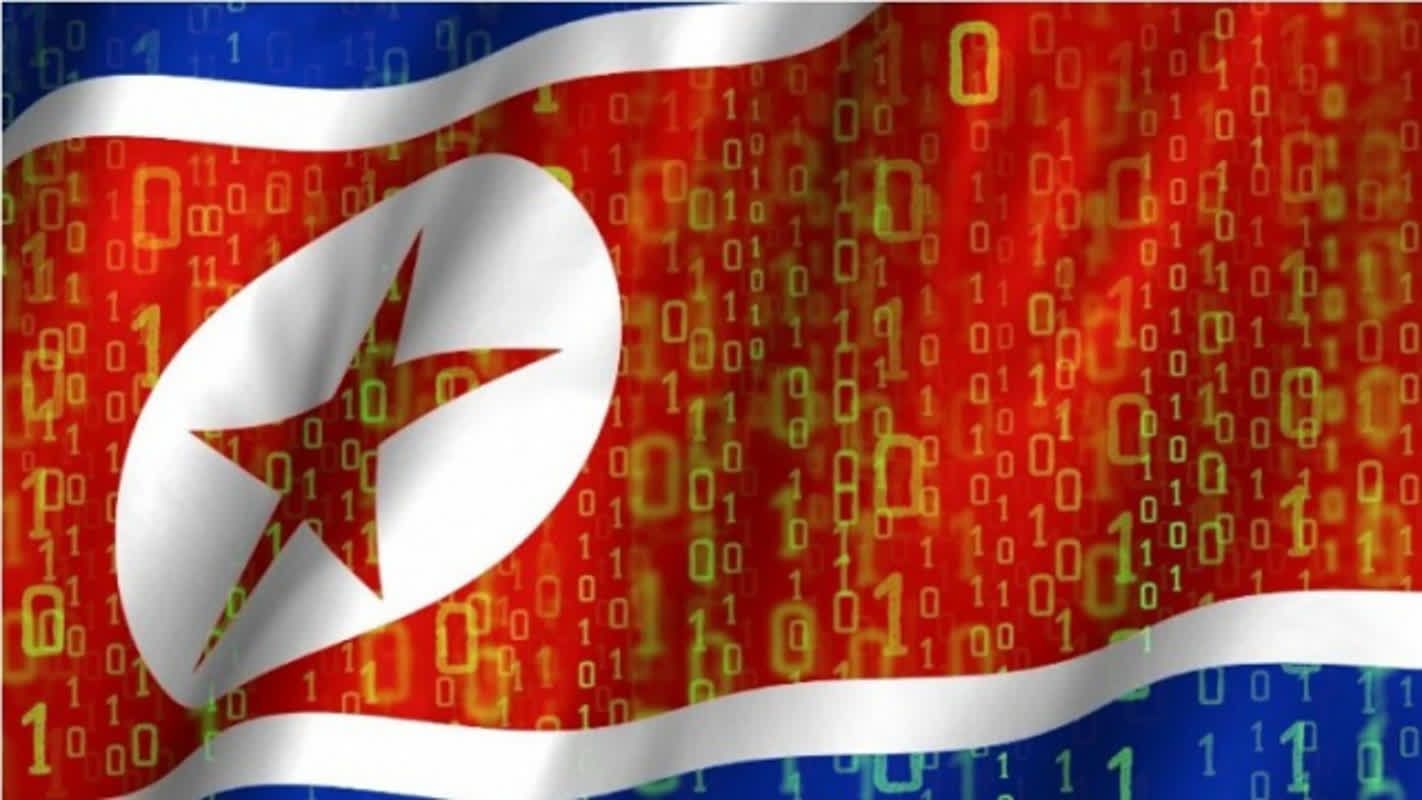
Staggering Theft of KRW 4 Trillion in Cyber Attacks by North Korea Over Six Years Exposed
The global community has been put on high alert by the U.S. government regarding undercover remote IT work carried out by North Korean nationals who conceal their true identities. Sanctions against North Korea’s cyber-hacking operations have been upheld rigidly. As a recent measure following the launch of North Korea’s reconnaissance satellite, sanctions were expanded to include eight North Korean individuals, incorporating members from the hacking group known as “Kimsuky.”
An FBI-issued wanted list features North Korean Sim Hyon-sop with a staggering $5 million bounty on his head. His alleged role includes funneling money earned through cyber-hacking by North Korean entities back to the regime. Affiliated with Kwangson Bank, a North Korean trade bank, Sim is accused of managing money laundering activities, which reportedly involved a five-year tenure in China before setting up operations in Dubai.
Sim Hyon-sop is believed to have laundered pilfered virtual currencies in the Middle East and China before dispatching the funds to North Korea, which morphs into a necessity given the nation’s exclusion from the international SWIFT financial transaction network due to sanctions. This process is crucial for North Korea as they have to physically bring the illicit funds into the country.
According to the U.S. Treasury Department’s estimates, North Korea has accumulated over $3 billion through a series of 58 hacks in the last half-decade, with the proceeds likely bolstering the regime’s nuclear and missile projects—a prospect that is viewed with growing concern by U.S. officials.
![The Financial Lifeline of the North: Kim Jong Un’s Favored Hacker Brigade Enriches Nuclear and Missile Programs, Stealing KRW 4.17 Trillion Over Three Years [Reporter Lee Hyun-ho’s Military! Talk]](https://contents-cdn.viewus.co.kr/image/2024/02/CP-2023-0094/image-4bd81fea-5929-43ed-96f4-d54fdea6cdc4.jpeg)
South Korea continues to endure cyber-attacks from North Korea’s persistent hacking campaigns. The National Intelligence Service reported in late January that 80% of cyber-attacks on domestic public agencies can be attributed to North Korea. With an average of 1.62 million attacks per day aimed at the public sector alone, the scope of these incursions is broad, extending to vital industries and infrastructural sectors.
The National Intelligence Service has also indicated that the hacking operations are micromanaged by none other than Kim Jong Un himself, who decides the targets and aims. Shifts in targeting reflect North Korea’s internal predicaments and ambitions, as demonstrated by past attacks on South Korean agricultural research institutes during food shortages and ruthless cyber theft of shipbuilding industry blueprints amid plans to amplify naval capabilities.
Part 1…
Part 3…
FAQ Section
- What is the scale of theft committed by North Korea’s cyber hacking activities?
- North Korea has reportedly stolen more than $3 billion or approximately KRW 4 trillion through 58 hacking incidents over the past six years.
- Who is Sim Hyon-sop and why is he wanted by the FBI?
- Sim Hyon-sop is a North Korean national suspected of laundering money for North Korea’s hacking operations. The FBI has a bounty of $5 million for information leading to his capture.
- How does North Korea conduct its money laundering operations?
- Due to sanctions barring North Korea from the SWIFT network, the regime is believed to clean stolen virtual currency in the Middle East and China, subsequently physically transporting the money to North Korea.
- Which sector in South Korea has faced the most cyber-attacks from North Korea?
- The South Korean public sector has been most targeted, with an average of 1.62 million hacking attempts daily over the past year.
- Who directs North Korea’s cyber hacking operations?
- North Korean leader Kim Jong Un is said to personally direct the hacking operations, selecting specific targets and objectives based on the nation’s needs and strategic goals.
Conclusion
The revelations about North Korea’s extensive cyber-heist operations expose a stark reality of international security threats in the digital age. With vast amounts stolen and funneled into programs that could potentially undermine global peace, the issue goes beyond financial loss. It raises the importance of international cooperation and cybersecurity vigilance in combating state-sponsored cyber terrorism. As such, tracking operatives like Sim Hyon-sop and sanctioning entities involved becomes a crucial part of the international effort to curb North Korea’s illicit activities.