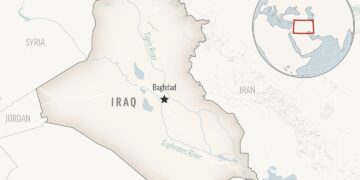
































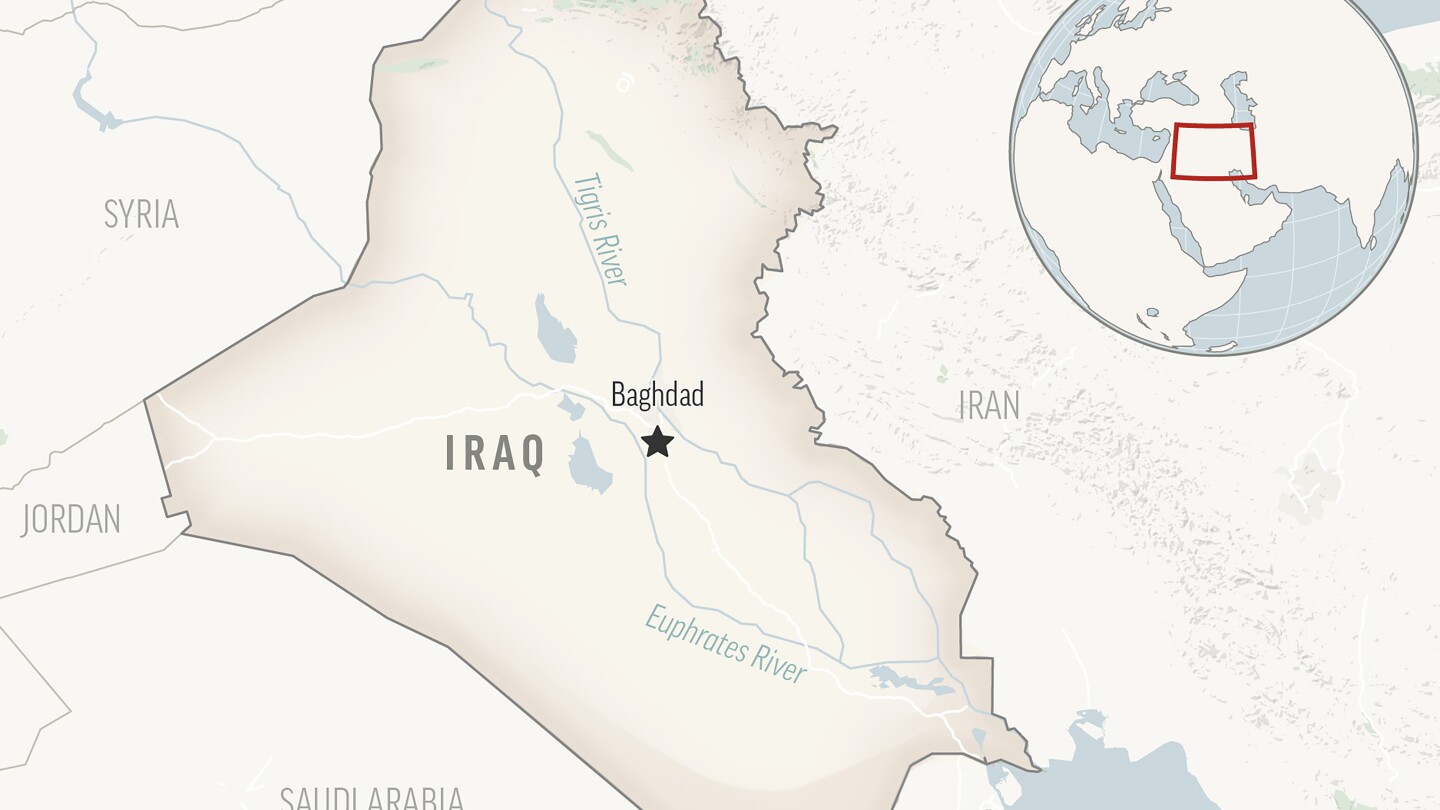
The discussions between the United States and Iraq regarding the reduction of U.S. military presence in Iraq are set to continue amid heightened security concerns in the region.
The initial dialogue, which commenced on January 27, had been briefly suspended following an attack by Iran-backed forces on a base in Jordan, resulting in the deaths of three U.S. service members. Subsequent U.S. actions included retaliatory strikes, one of which targeted a key figure within the Kataib Hezbollah militia, accused of orchestrating assaults on U.S. personnel.
These bilateral discussions, which picked up once more on Sunday, revolve around redefining the U.S.-Iraq relationship and eventually scaling down the American troop presence, currently numbering around 2,500. The Iraqi government has indicated that any troop withdrawal will carefully consider the local security landscape and the readiness of Iraqi military forces, as per a statement released on a platform known as X, an alternative to Twitter.
Iraq emphasizes that the talks will progress smoothly, provided the negotiations remain undisturbed. The challenge for Iraq is to maintain its diplomatic relations with both the U.S. and Iran, who are adversaries on the regional stage. The recent conflict between Israel and Hamas has exacerbated these tensions, with Iran-backed entities conducting numerous attacks on American assets, prompting counterstrikes by the U.S.
The Iraqi leadership has publicly decried the American bombings of Kataib Hezbollah, which is integrated into the broader Popular Mobilization Forces (PMF) framework. The PMF, which comprises primarily Shiite militias, wields considerable influence within the Iraqi political sphere. However, the deadly incident in Jordan involving U.S. service members necessitated a strong U.S. response, following which Iran and Kataib Hezbollah distanced themselves from the attacks, ceasing further aggression to avoid embarrassing the Iraqi authorities. Notably, since February 4, there have been no new attacks on U.S. bases in the country.
FAQ Section
- What was the cause for the pause in US-Iraq troop drawdown talks?
The talks were temporarily halted following an Iran-backed militant attack on a Jordanian base, resulting in the death of three U.S. service members. - How many U.S. troops are currently stationed in Iraq?
There are approximately 2,500 U.S. troops present in Iraq. - What are the Popular Mobilization Forces?
The PMF are state-sanctioned, mainly Shiite militias that have become a significant political force in Iraq, estimated to hold the largest number of seats in the Iraqi parliament. - Has Iran been connected to the recent attacks on U.S. forces?
Although Iran is the primary backer of militias like Kataib Hezbollah, both Iran and the militia have disowned recent attacks in an effort not to strain Iraqi governmental relations. - What is the current status of attacks on U.S. bases in Iraq?
As of the latest information, there have been no assaults on U.S. bases in Iraq since February 4.
Conclusion
The ongoing dialogue between the U.S. and Iraq reflects a joint commitment to redefining their bilateral relationship and addressing the complexities of the regional power dynamics between the U.S., Iraq, and Iran. The careful management of the troop drawdown process signifies an effort to ensure stability and security in the region while responding to the evolving needs and capabilities of the Iraqi armed forces. Continued peace and the absence of conflict disruptions are crucial to the success of these discussions.