































[ad_1]
Embarking on a 10-day, 5,000-mile journey like the Alcan 5000 Rally, with temperatures plummeting to minus 32 degrees Fahrenheit, is an extraordinary feat, especially when traversing the frozen landscape in a brand-new vehicle with untested capabilities.
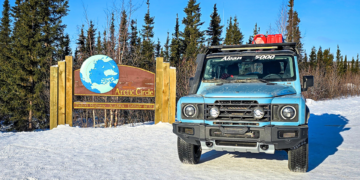
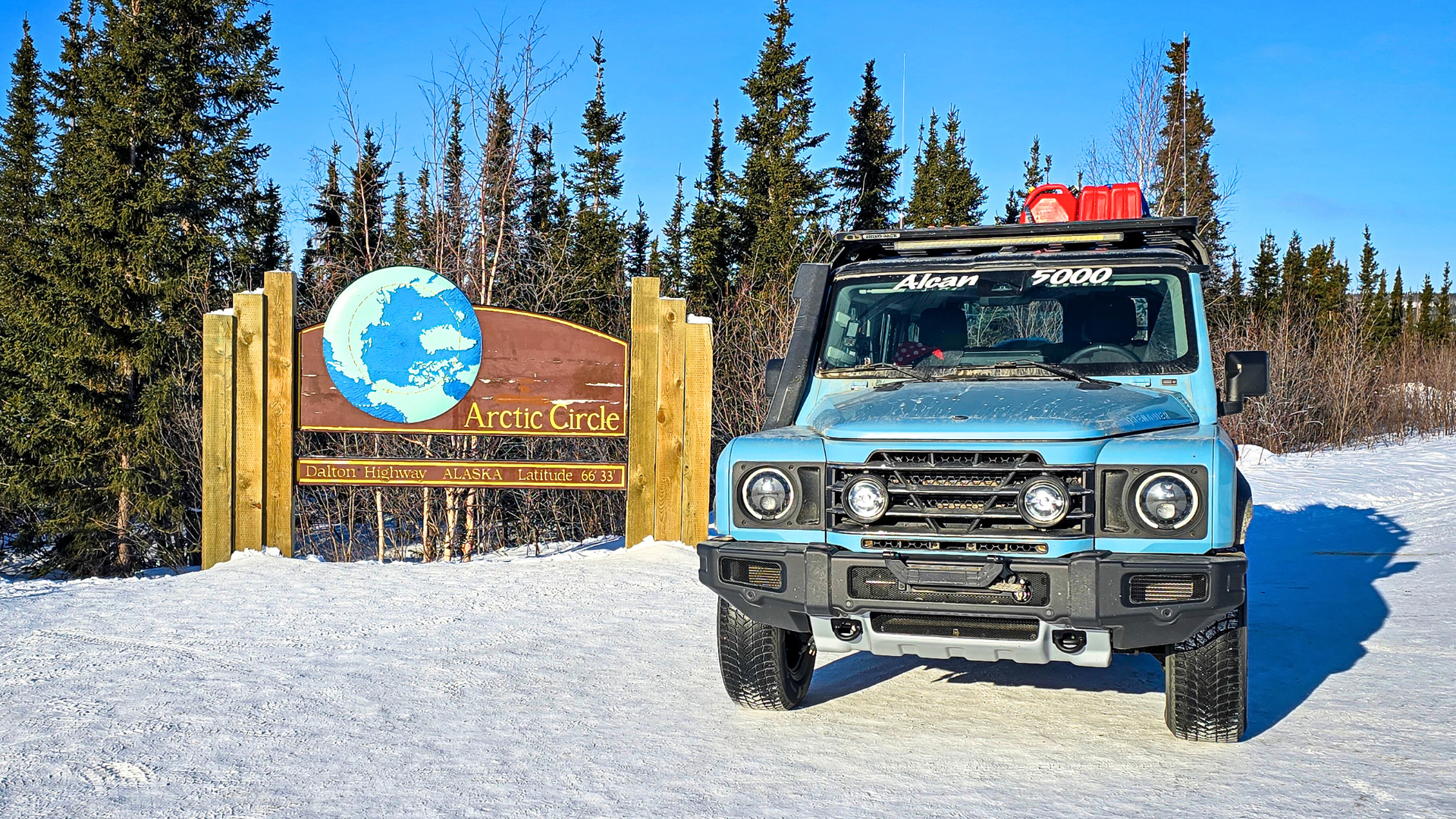
The third Alcan 5000 event hosted Mercedes and Andy Lilienthal, who opted for the Ineos Grenadier, an SUV by the British chemical giant Ineos. Undeterred by the Grenadier’s novelty, Team Lilienthal conquered the harsh conditions and fierce competition, claiming victory in the Truck/SUV class against 16 other teams.
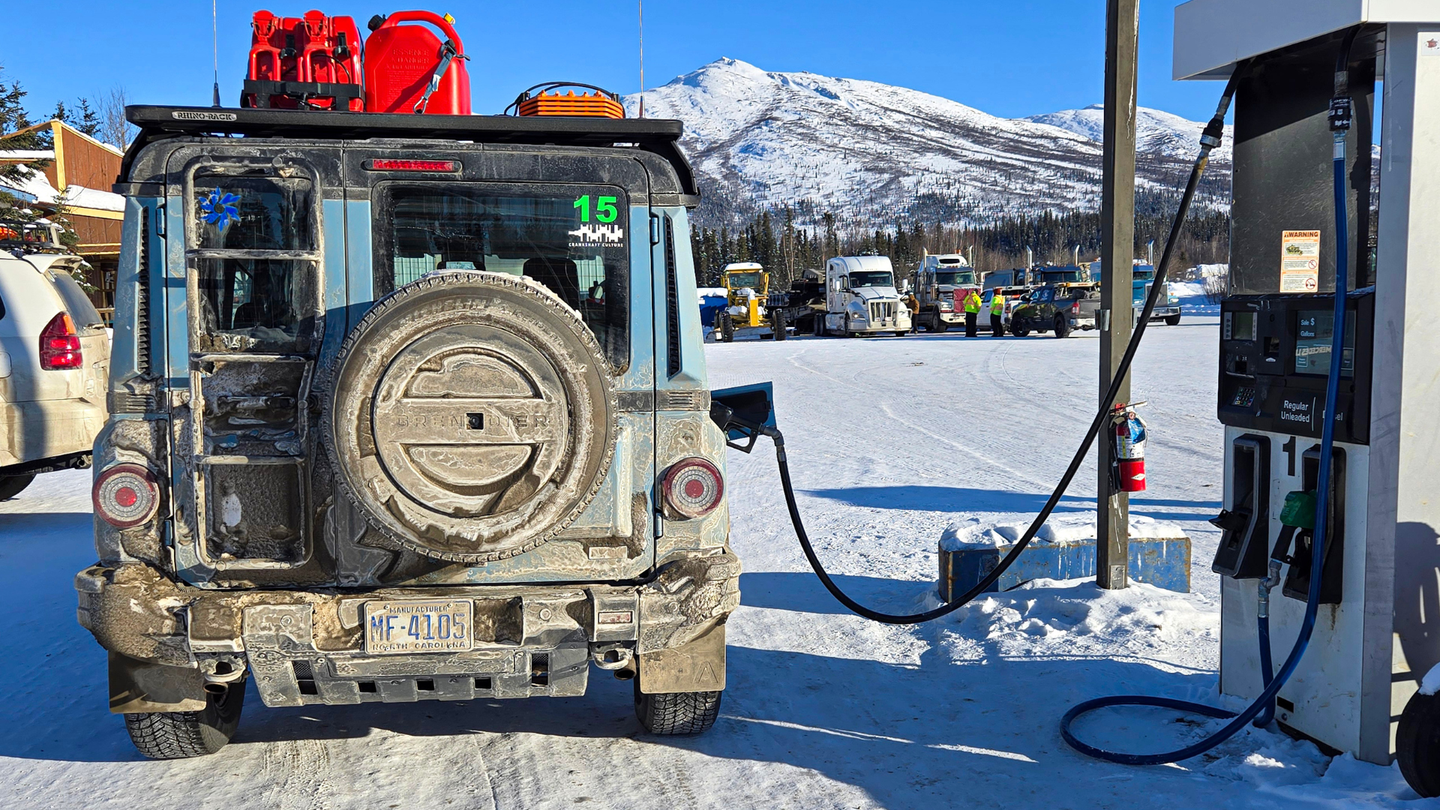
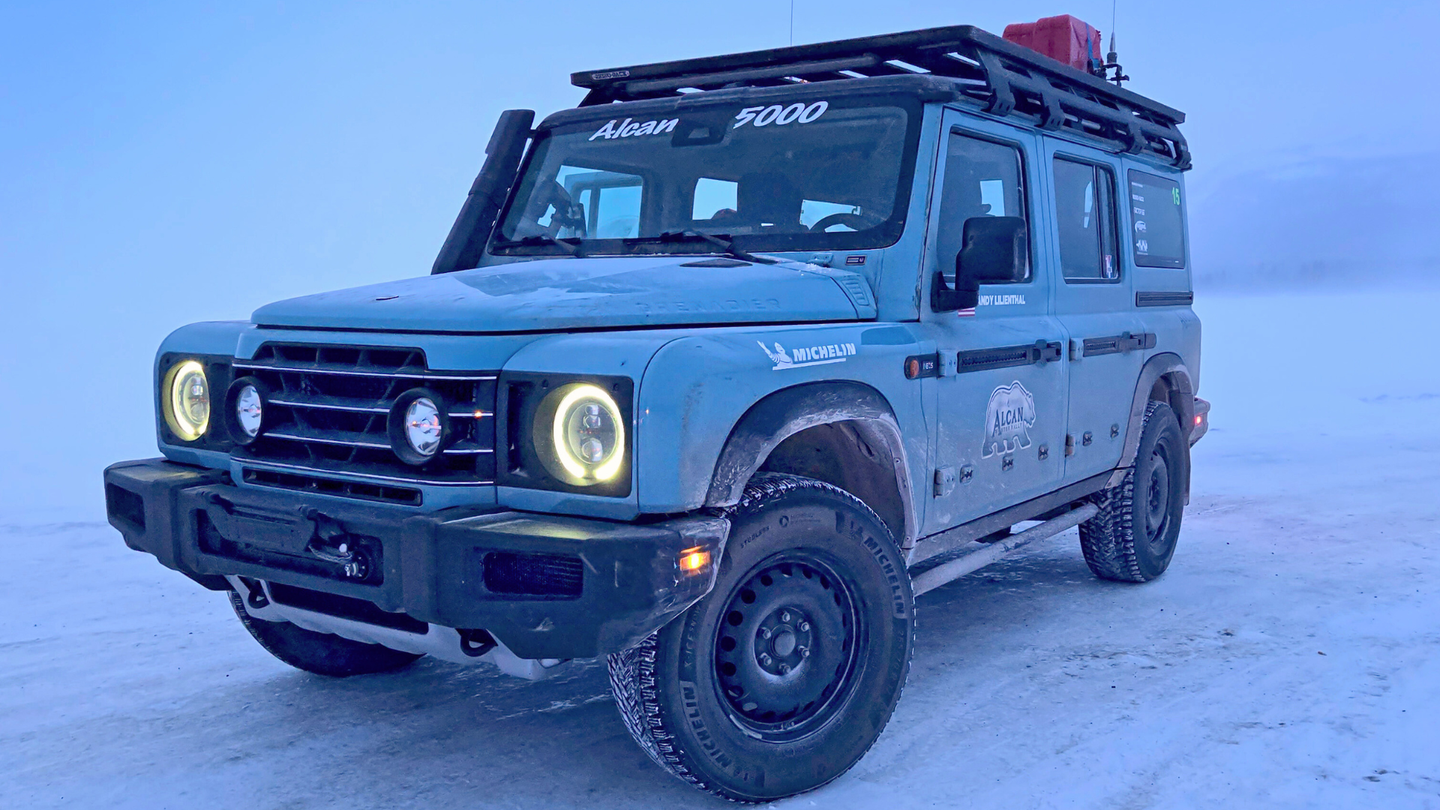
The Ineos Grenadier enters the automotive scene with a unique backstory, including its name inspired by a London pub. Distressed by the discontinuation of the Land Rover Defender, Ineos CEO Sir Jim Ratcliffe made overtures to acquire the vehicle’s design from JLR. Upon rejection, he set out to create a vehicle that bears a striking resemblance to the iconic Defender.
Magna Steyr’s development and France’s manufacturing expertise, coupled with BMW’s turbocharged 3.0-liter engine, give the Grenadier its robust performance. The Grenadier, boasting 282 horsepower, 332 lb-ft of torque, and notable off-road capabilities, triumphed over the Alcan 5000’s daunting route from Kirkland, Washington to Anchorage, Alaska.
The Lilienthals managed the rally without prior experience with the Grenadier. They previously competed with a 1991 Mitsubishi Pajero, describing it as “slow and small” yet resilient. With the Grenadier’s odometer at only 87 miles, they faced the dual challenge of breaking in the new vehicle and mastering its controls.
Mercedes Lilienthal expressed her surprise at the Grenadier’s smooth ride, attributed to its solid axles and suspension system, which provided a controlled and comfortable drive even on Alaska’s rough roads.
The vehicle’s premium Recaro seats earned accolades from the couple, providing comfort during extensive daily drives. Without heated seats, the efficient heating system proved critical in the extreme cold, ensuring the team’s endurance through the severe whiteout conditions.
Strategic modifications were necessary to counter the harsh climate, including altering the antifreeze ratio to prevent overheating and using special windshield wiper fluid. The cold affected even the power steering fluid, turning it thick and challenging for many participants, according to Mercedes.
“The rally included legs with over 300-mile stretches devoid of fuel stations,” Andy recalled. Many teams had to refuel from jerry cans in the bitter cold, an endeavor requiring speed and caution.
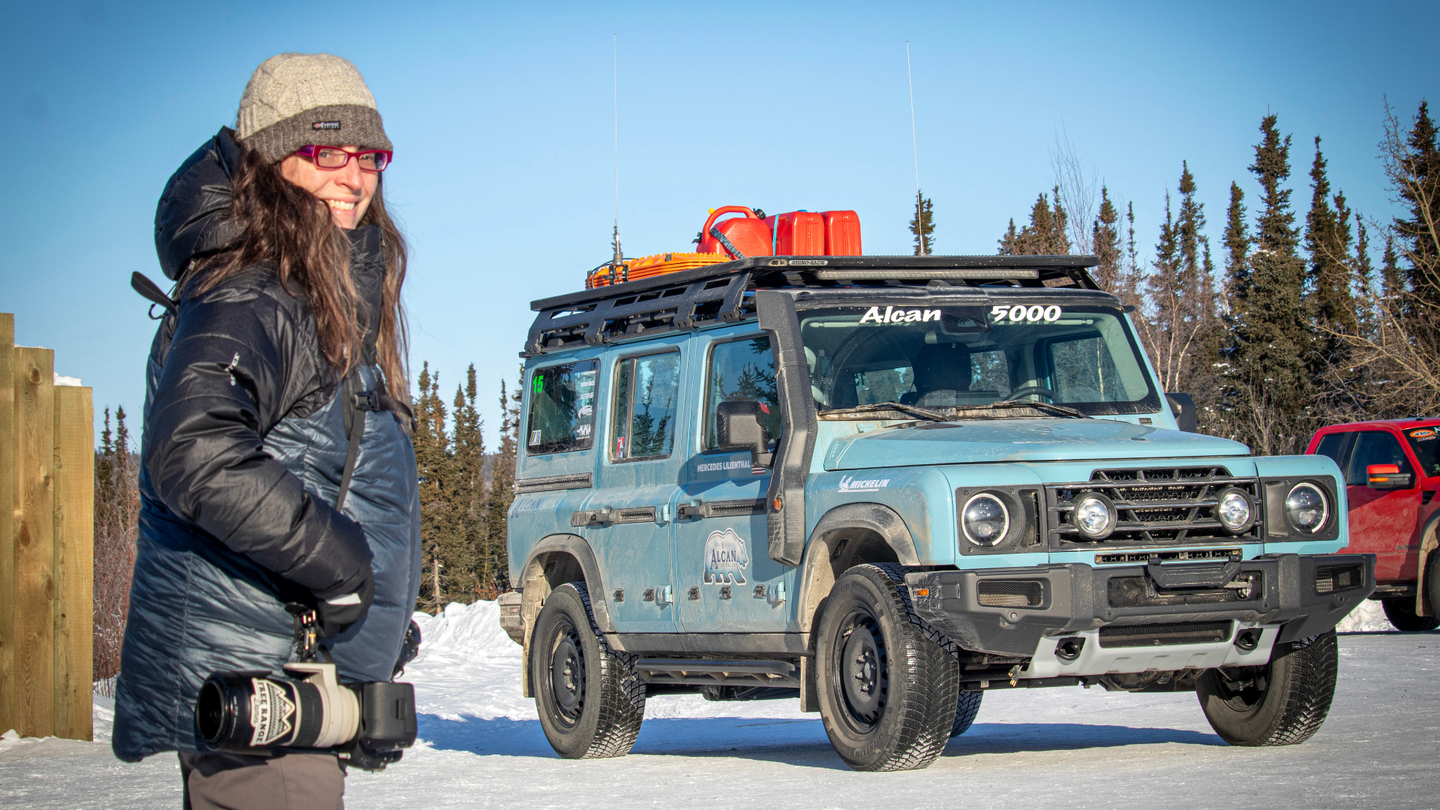
In the thick of multitasking with various tech devices, the team grappled with unexpected issues with the vehicle’s central infotainment system control knob, which inadvertently switched screens due to accidental pressures caused by other equipment resting on it.
“A discovery came when we realized that the bouncing inverter was mistakenly activating the central ‘enter’ button, it was a mishap on our part, not the car’s design,” Mercedes explained.
The Grenadier’s resilience was tested to its limits, with only a hairline fracture in the B-pillar emerging as a minor injury from the chilling temperatures. The Lilienthals led their class for the majority of the event and finished commendably tenth overall out of 39 teams.
Got a story tip? Send it to tips@thedrive.com.
[ad_2]
FAQs About the Alcan 5000 Rally and Team Lilienthal’s Victory
What is the Alcan 5000 Rally?
The Alcan 5000 Rally is an endurance motor racing event that spans a 5,000-mile course, often traversing sub-zero temperatures and challenging terrains. The event begins in Kirkland, Washington and concludes in Anchorage, Alaska.
What vehicle did Team Lilienthal use to win their class in the Alcan 5000?
Team Lilienthal competed with the Ineos Grenadier, an SUV developed by Magna Steyr and built by the British company Ineos. Their vehicle was unmodified and powered by a BMW-sourced turbocharged 3.0-liter inline-six engine.
How did Team Lilienthal prepare their vehicle for the cold conditions?
The team adapted their vehicle for the extreme cold by altering the antifreeze ratio, using windshield wiper fluid rated for sub-zero temperatures, and ensuring the heating system was efficient to combat the -32 degrees Fahrenheit conditions they encountered.
Did Team Lilienthal experience any issues during the rally?
Aside from learning how to handle their new vehicle, the team faced a minor infotainment system hiccup caused by an inverter accidentally pressing the central knob. The only vehicle damage sustained was a hairline fracture in the B-pillar due to the extreme cold.
Conclusion
The victorious journey of Team Lilienthal in the Alcan 5000 Rally underscores the rigors of the extreme endurance event and the resilience required to overcome them. Their success with the Ineos Grenadier—a testament to the vehicle’s robust engineering—stood out not only in the formidable climate but also amidst a landscape where every element can be an adversary. The innovative adaptability, intricate preparation, and skillful navigation exhibited by Mercedes and Andy Lilienthal illustrate the spirit of perseverance embodied by competitors of the Alcan 5000.