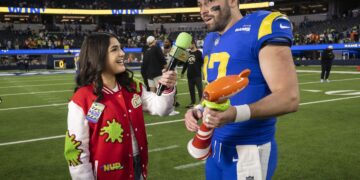

































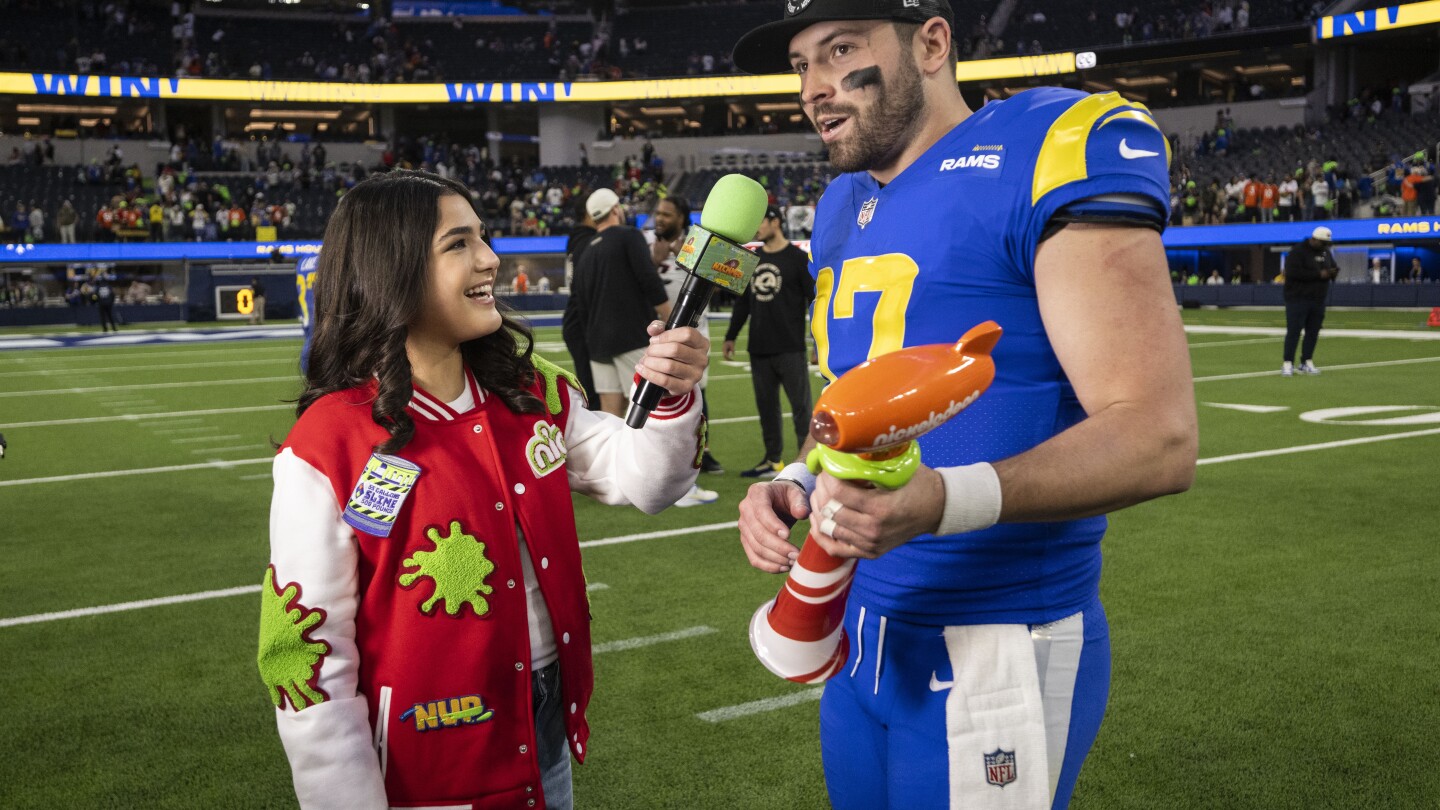
In recent years, sports broadcasters and leagues have embraced innovative approaches to capture the attention of the younger generational audience. A notable example occurred four years ago when CBS faced skepticism for its decision to tailor an NFL playoff broadcast for children on Nickelodeon.
Today, the use of alternative platforms to engage younger viewers has become an industry standard. In a historic move, Nickelodeon will broadcast its fifth NFL game this Sunday, featuring the Kansas City Chiefs against the San Francisco 49ers, representing the first kid-friendly version of the Super Bowl.
Sean McManus, chairman of CBS Sports, reflects on the dramatic evolution of the kid-focused broadcasts since their inaugural game in the 2020 playoffs. He applauds the teamwork between Nickelodeon’s creative team and CBS Sports in delivering an engaging and innovative viewing experience lauded by parents and kids alike.
The whimsical commentary by characters like SpongeBob SquarePants and Patrick Star during a game targets a crucial demographic segment for the sports industry. As traditional TV viewership experiences a decline with the rise of cord-cutting, capturing every possible increase in viewership is critical, according to NFL EVP of Media Distribution, Hans Schroeder.
The NFL isn’t limiting its kid-friendly content to Nickelodeon; it has also collaborated with Disney+ and ESPN+ for themed broadcasts, including a “Toy Story” themed game. These broadcasts have shown success, drawing significant viewership, with particular increases in the 2-11 and 12-17 age brackets.
Nate Burleson, who will commentate again on the upcoming Nickelodeon game, underscores the importance of connecting with young audiences earlier than ever before. The Nickelodeon experience isn’t the sole strategy; the NHL and NBA have also explored similar alternative media content, teaming up with Disney and Marvel, respectively.
Dave Lehanski, NHL’s EVP of Business Development & Innovation, notes the unique content consumption habits of younger viewers and the need to adapt strategies accordingly. Engaging audiences through animation has historical roots, as Disney produced informative cartoons in the 1940s.
However, animation isn’t the only method to entice young sports fans. Initiatives like NFL flag football and ESPN’s youth-driven broadcasts during the MLB Little League Classic have also been effective.
Julie Sobieski from ESPN emphasizes leveraging the youthful energy in Williamsport for a distinctive broadcast experience. Social media and viral highlight creation remain other tools to maintain the engagement of a younger, digitally-focused audience.
To stay updated on NFL developments, fans can visit AP NFL at https://apnews.com/hub/nfl.
FAQs about Engaging Young Sports Fans
Q: Why are alternative broadcasts like those on Nickelodeon important for sports leagues?
A: These broadcasts aim to attract younger demographics essential for the future growth of sports audiences. They provide an entertaining and educational experience that can help develop lifelong fans.
Q: How successful have the alternative broadcasts been?
A: The four previous Nickelodeon NFL games averaged at least 900,000 viewers, and the “Toy Story” game was Disney+’s most significant live event up to that point. Moreover, viewership shares for younger age groups have seen an increase.
Q: Are there other ways leagues are trying to attract younger fans beyond animation?
A: Yes, leagues are also investing in programs like the NFL’s “Play 60,” using young announcers, engaging with flag football, and creating appealing content on social media.
Q: How do young announcers contribute to engaging a younger audience?
A: Young announcers can resonate with the youth by bringing a relatable perspective and energy to the broadcast, which may be especially effective during events like the MLB Little League Classic.
Conclusion
Broadcasters and leagues have recognized the pivotal role of younger generations in the longevity of sports viewership. By using characters from the animated world, themed broadcasts, social media, and youth programs, they’ve adapted to the evolving media consumption landscape. These efforts reflect a strategic commitment to ensuring that sports remain an integral part of entertainment for future fans, regardless of the changes in technology or viewing preferences. As the industry continues to innovate, it sets a new engagement standard that not only entertains but fosters the growth of the young sports community.