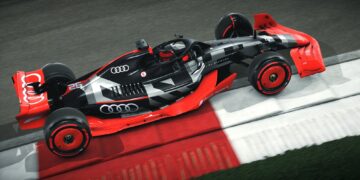






























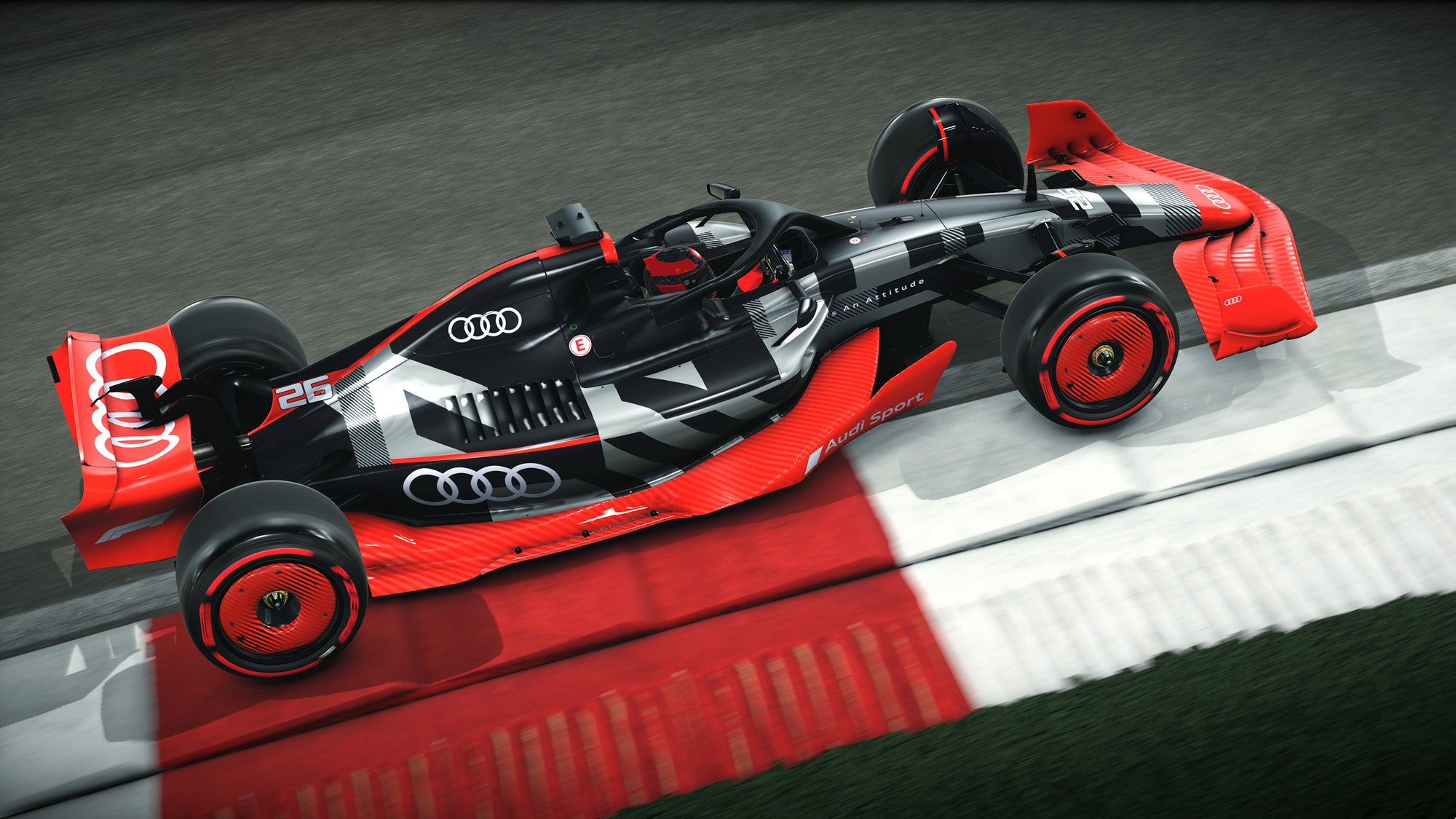
Ahead of its anticipated entry into Formula 1 with Sauber in the year 2026, Audi revealed plans to fully integrate the Swiss-based race team into its brand by purchasing the entire stake, rather than the initially expected 70%. Announced on a Friday morning, Sauber—one of Formula 1’s staple independent teams—will soon become a wholly-owned division of the world-renowned automotive giant within a couple of years.
This ambitious step is accompanied by major leadership changes; Oliver Hoffman, Audi’s head of technical development as well as the former head of Audi Sport, will resign to manage the F1 project as chairman of the newly formed Audi Formula and the Sauber Group. At the same time, Andreas Seidl, presently Sauber’s CEO and ex-McLaren team principal, has been nominated as the Audi F1 Team’s CEO. Both Audi and Volkswagen’s executive committees have consented to the plan, and so has Islero Investments AG, Sauber’s incumbent majority shareholder, paving the way for its execution.
“With gratitude for the confidence placed in me by [Audi chairman] Gernot Döllner and Oliver Hoffman, I eagerly await the opportunity to steer Audi’s entry into Formula 1 along with an immensely driven team in our role as CEO of the Audi F1 Team,” declared Seidl in Audi’s press release. He outlined a clear strategy aimed at building competitive capabilities both in Hinwil and Neuburg, reflecting their high aspirations. Seidl is also set to become “the face of the future Audi Formula 1 Team,” leveraging his wealth of experience gained at McLaren.
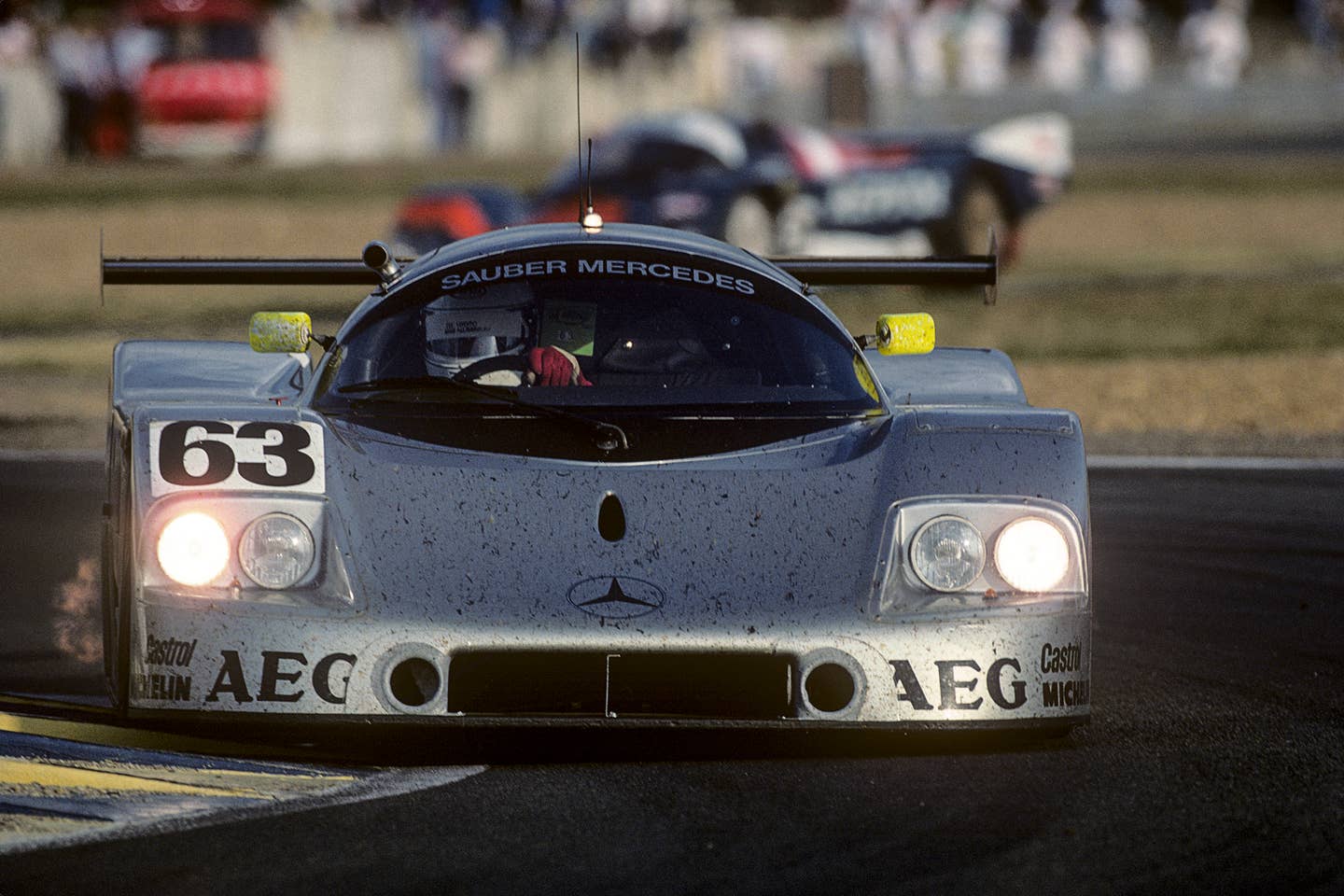
The No. 63 Sauber-Mercedes C9 that won the 1989 24 Hours of Le Mans, driven by Jochen Mass, Manuel Reuter, and Stanley Dickens. Paul-Henri Cahier/Getty Images
An enduring presence in Formula 1 and motorsports overall since the 1980s, Sauber originally collaborated with Mercedes-Benz in a successful series of sports prototype endurance racing cars and planned to transition this partnership to Formula 1, until Mercedes-Benz withdrew. On its own, Sauber debuted in the 1993 F1 season. Several alliances, including with Red Bull and a factory backing by BMW from 2006 to 2009 followed, after which founder Peter Sauber re-acquired the team from BMW, maintaining its independent status.
Sauber has managed to uphold its independent status over the years, despite its partnership with Alfa Romeo being primarily for brand promotion, and a foiled investment from Andretti Autosport. Despite these challenges, and a period of less-than-stellar competitive results, Audi’s acquisition signals a monumental shift in Sauber’s narrative. The involvement of the deep-pocketed Volkswagen Group is expected to usher in a major influx of resources aimed at technical development and talent acquisition.
For further tips please reach out to tips@thedrive.com
FAQ Section
When will Audi fully acquire Sauber F1?
Audi plans to complete the acquisition of 100% of Sauber before the team begins competing in Formula 1 in the 2026 season.
Who will lead the new Audi F1 Team?
Andreas Seidl, current CEO of Sauber, will serve as the CEO of the Audi F1 Team. Oliver Hoffman will oversee the F1 engagement as chairman of Audi Formula and Sauber Group.
Did Sauber ever compete with factory backing before?
Yes, Sauber had factory backing from BMW between 2006 and 2009 and had a collaboration with Mercedes-Benz in sports prototype racing prior to its Formula 1 entry.
What does Audi’s acquisition of Sauber signify for the team?
Audi’s full acquisition of Sauber represents a significant transformation in the team’s history, promising a significant investment in technical advancement and potentially in driver salaries.
Where will the Audi F1 Team be based?
The team will operate out of Sauber’s existing facilities in Hinwil, with additional operations in Neuburg, closely connected with Audi’s motorsport division.
Conclusion
Audi’s strategy to fully acquire Sauber F1 before its 2026 debut heralds a new era for both entities. The merger will see a combination of Sauber’s longstanding motorsport heritage and Audi’s technological prowess and resources. This move signifies Audi’s serious commitment to becoming a competitive force in the pinnacle of motorsport, Formula 1. With a powerful duo like Hoffman and Seidl at the helm, the future of the team looks promising. For fans and Formula 1 enthusiasts, Audi’s entrance into the sport marks an exciting development to observe over the coming years as the grid continues to evolve.