

































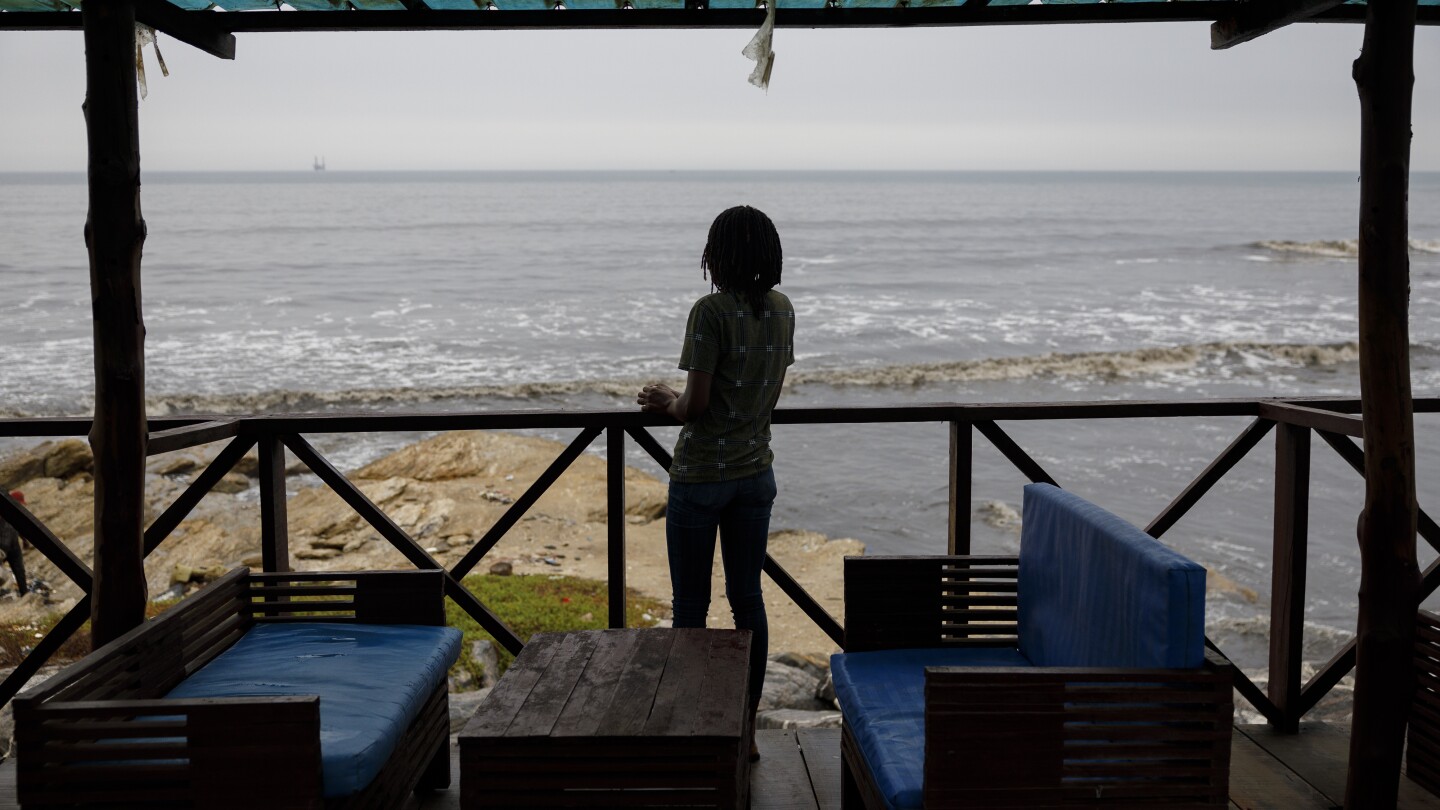
In multiple nations within Africa, abortion has become legally more permissible; however, awareness of this change remains low. Efua, a single mother from Ghana, faced unease when pursuing an abortion, cautious of potential legal issues. It took reassurances from health workers for her to understand that, under specific circumstances, abortion is indeed legal in Ghana. Her concerns reflect larger trends about the scarcity of accurate information and the hesitancy among healthcare providers to openly offer abortion services.
The unease around abortion in African nations persists despite the fact that the practice has been liberalized in various jurisdictions. Medical providers often fear backlash and thus keep a low profile about the services they offer. Even with advancements like the Maputo Protocol, aimed at securing abortion rights under certain conditions, actual implementation is fraught with obstacles. Misinformation is widespread, partly due to poor practices by internet giants Google and Meta according to a study that faulted them for biased advertising policies. Furthermore, anti-abortion groups, some backed by American organizations, continue to exert influence and spread their message in African nations, often complicating the scenario for women seeking abortions.
FAQ Section:
What are the legal barriers to abortion in Africa?
Though more than 20 countries in Africa have relaxed abortion laws recently, over a dozen still have not passed legislation allowing access to abortion services. Even in countries where it is legal, women can face various challenges, ranging from lack of information to outright misinformation and opposition from anti-abortion movements.
What is the Maputo Protocol?
The Maputo Protocol is a human rights treaty that instructs African Union countries to give women the right to medical abortion in instances of rape, incest, or when the mother or fetus’s health is at risk. Since 2005, it sets standards for women’s rights across the continent, although not all signatory countries have fully actualized its tenets into national law.
How has misinformation affected abortion access in Africa?
Research from MSI and the Center for Countering Digital Hate indicated that tech platforms like Google and Meta have contributed to misinformation by disproportionately restricting advertisements from local abortion providers while allowing anti-abortion groups to run ads that promote misleading claims.
How do anti-abortion movements in Africa impact legal abortion services?
Anti-abortion groups have become more organized and influential, often fueled by foreign investments, particularly from conservative American sources. Their activities range from intimidation and harassment of health workers to lobbying governments for more restrictive laws.
Conclusion
The situation in Africa concerning legal abortions is complex and nuanced. Although the laws are increasingly supportive, the actual implementation and social acceptance lag. Women like Efua struggle with not just the legal aspects but also societal judgment and the challenge of finding accurate information. The confluence of conservative activism, both local and international, with existing cultural norms makes for a challenging environment where the right to abortion exists, but the ability to exercise that right is another story altogether.