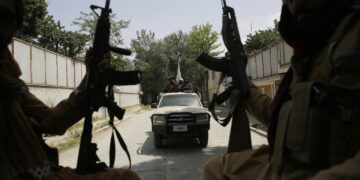
































The declining influx of international support alongside critical wrongdoing by the Taliban has struck a severe blow to Afghanistan’s healthcare system, as stated on Monday by Human Rights Watch. Dire consequences are unfolding for millions of Afghan citizens whose fundamental right to healthcare is being critically compromised.
According to the organization’s recent findings, the combined effects of diminished foreign aid and the Taliban’s oppressive policies towards females have led to an alarming vulnerability to diseases and malnutrition among the Afghan people.
The cessation of international aid came abruptly with the Taliban’s ascent to power in August 2021, plunging numerous Afghans into desperation and starvation. Compounded by sanctions, a stop on banking transactions, and frozen assets, Afghanistan’s financial ties to the world and its pre-exit economy backed by foreign generosity are in shambles since the U.S. and NATO troops departed.
Just this year, the World Food Program has cautioned that Afghanistan is facing unprecedented malnutrition, affecting half its populace with acute hunger throughout the year.
“The disproportionate impact on women and girls owing to the healthcare catastrophe is alarming, largely due to Taliban transgressions,” the report elaborates.
Stringent regulations by the Taliban restrict women’s public participation and education, stalling female empowerment and essentially barring girls from schooling past primary education.
As the report further reveals, the resulting rights abuses and aid reduction have spiraled into a devastating healthcare catastrophe in Afghanistan, heavily affecting women and girls, as outlined by Fereshta Abbasi of Human Rights Watch.
The expense linked with medical treatments and medication is now unsustainable for most Afghans, according to Abbasi.
HRW conducted remote interviews that encompassed discussions with Afghan and foreign aid workers, health providers, and patients spread across 16 out of the 34 Afghan provinces from February 2023 through January 2024. The research included conversations with 46 individuals seeking health services and local healthcare personnel.
Unavailability of the Taliban spokesmen leaves the report unaddressed by the governing body.
Healthcare access issues are not novel to impoverished Afghans but have been dramatically exacerbated by rising living costs, with many unable to pay for medications or travel to healthcare facilities.
A 54-year-old with a kidney ailment reported to HRW the doubled costs of his medications since the Taliban’s rule ensued, highlighting the struggle for those who are unemployed.
The report recounts a conversation with a Mercy Corps official who in September acknowledged the humanitarian shortfalls in Afghanistan in face of the degrading conditions.
Moreover, the Taliban’s enforcement of the hijab and the requirement for a male guardian for women has bottlenecked their access to both employment and medical services. An anonymous doctor in Samangan mentioned being ordered by the Taliban to refuse treatment to any woman without a mahram or not properly covered by the hijab.
HRW’s Abbasi insists that immediate humanitarian support is not enough; there must be enduring actions to stem Afghanistan’s economic fallback and to relieve the profound suffering of its people.
FAQ Section
Why has the public health system in Afghanistan deteriorated?
The public health system in Afghanistan has suffered due to a drastic cut in foreign aid subsequent to the Taliban’s takeover, along with their discriminative policies against women and girls which restrict access to health services and education for many.
What are the main concerns raised by Human Rights Watch?
Human Rights Watch is concerned about the rapidly increasing vulnerability to malnutrition and illnesses among Afghans, the disproportionate effects on women and girls, and the limitations on access to healthcare due to cost escalations and Taliban restrictions.
Have the Taliban commented on the report?
As of the time of the report, Taliban government spokesmen had not been available to comment.
What has been the impact of decreased foreign support on individuals?
The reduction in foreign assistance has led to elevated prices for medical treatments and medications, making them unaffordable for many, exacerbating poverty, and obstructing access to necessary healthcare services.
What does Human Rights Watch suggest as a solution?
Human Rights Watch advocates for more than just emergency aid. They call for sustainable solutions to reverse the economic downturn and provide long-term relief to mitigate the immense suffering of the Afghan people.
Conclusion
In summary, the ongoing crisis within Afghanistan’s public healthcare system represents a stark intersection of economic collapse and human rights infringement. The cessation of critical foreign aid, coupled with the Taliban’s discriminatory conduct, has led to a state where urgent international response and a sustainable strategy are desperately needed to address not just the immediate hardships but the systemic failings that threaten the well-being and future of the Afghan population.