

































As speculation grows about a second face-off between Joe Biden and Donald Trump in the upcoming U.S. presidential election, international allies are holding their breath for the likely tumultuous political period ahead.
American allies express concern that irrespective of the election’s outcome, U.S. reliability might wane. A politically divided nation and Congressional paralysis could preoccupy the future President with domestic tribulations, leaving global hotspots like Ukraine and the Middle East in uncertainty.
French leader Emmanuel Macron has been forthright, indicating that the United States is becoming increasingly introspective in its approach to global affairs.
Trump’s previous tenure as President put U.S.-ally relations to the test, particularly in Europe. His unorthodox approach to international relations was marked by critiquing allies while occasionally admiring authoritarian figures. The former President also maintained a cynical stance on entities like NATO, scrutinizing the financial obligations the U.S. bears within the alliance.
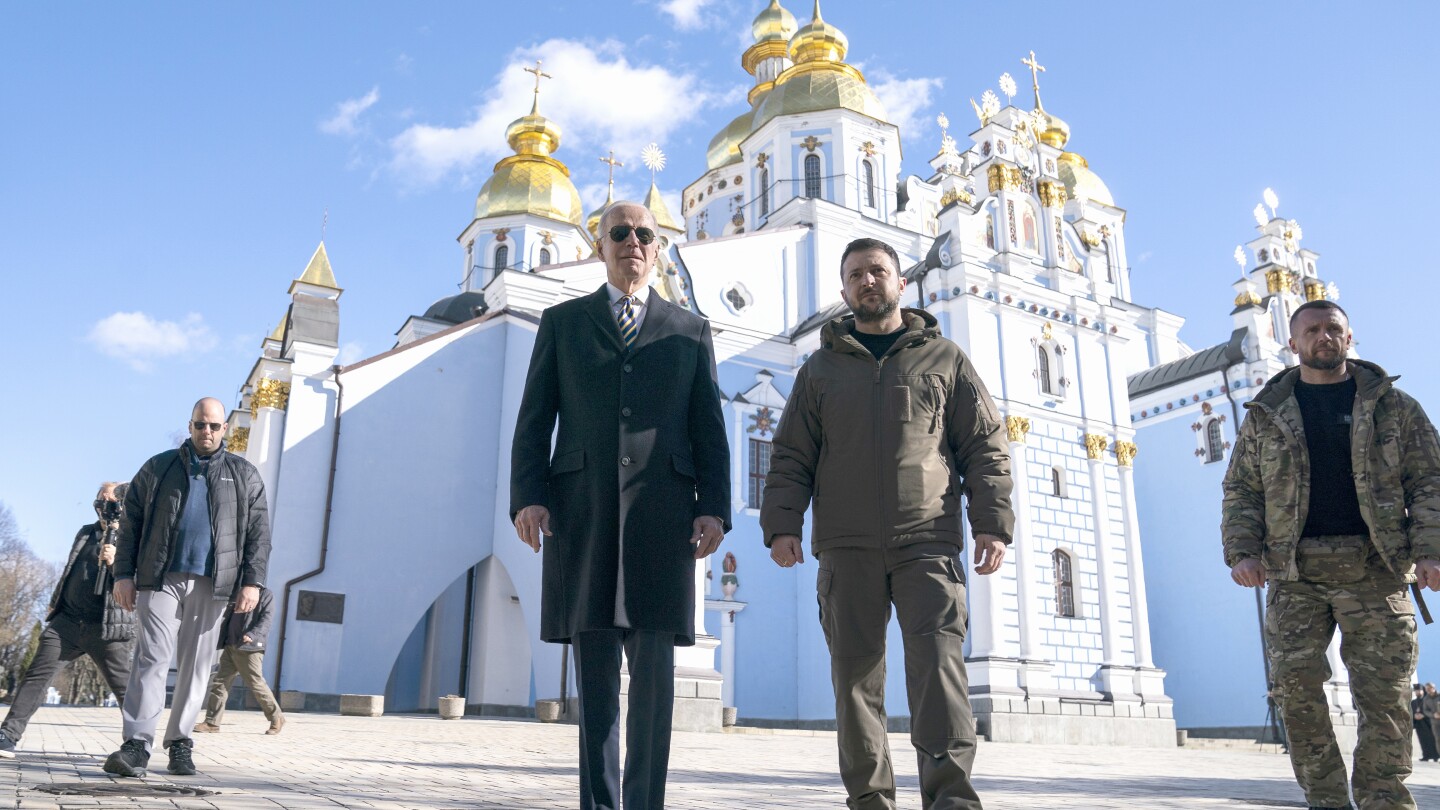
Conversely, Biden has demonstrated strong support for Ukraine and has aimed to reassert the U.S. on the world stage. However, internal political resistance has inhibited more decisive action in foreign policy domains, such as additional Ukrainian military aid or mitigating Middle Eastern tensions.
Experts like Thomas Gift from University College London predicate a future where power is more diffusely distributed globally, with the United States’ standing as the preeminent world power becoming less certain.
While most allied leaders remain publicly neutral about the U.S. election, there is a palpable concern about the implications of a less engaged or dependable U.S. Certain European officials, such as German Chancellor Olaf Scholz, have accentuated the urgency for the EU to bolster its defense capabilities and ponder a future where the U.S.’s support may not be guaranteed.
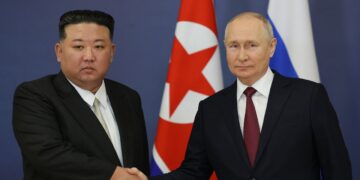
Russia is capitalizing on potential shifts in alliances by strengthening its ties with nations like China, Iran, and North Korea, while trying to undercut Ukraine’s international backings.
Although controversial figures like Boris Johnson have suggested that Trump’s leadership could be globally beneficial, others are wary, recalling the upheavals during his presidency, such as the U.S. withdrawal from the Iran nuclear deal, which significantly altered the region’s strategic calculus.
Middle East policies are a particular point of contention in both administrations, with experts suggesting only limited variability between the Biden and potential Trump administration’s approach to the region.
Similarly, Biden’s and Trump’s stances have shaped U.S. relations with strategic rivals like Turkey, Russia, and China, with each country adopting a cautious outlook on the possible Trump-Biden electoral contest.
The sentiment, echoed by scholars, seems to prepare for a move towards a more fractured geopolitical landscape, irrespective of the individual at the helm of the United States.
FAQ Section
Q: How are U.S. allies reacting to the possibility of a Biden-Trump rematch?
A: Allies are apprehensive about a potentially unstable period that could follow a Biden-Trump rematch, with concerns about the U.S. commitment to global affairs and its reliability as an ally.
Q: What specific concerns do allies have regarding Trump and Biden?
A: There are worries that Trump’s return could see a resurgence of his unpredictable foreign policy and critiques of allies. Under Biden, there are fears that domestic political challenges could impede the U.S.’s ability to support international objectives like Ukraine’s defense against Russia.
Q: What has been Emmanuel Macron’s stance on the U.S. prioritization of its interests?
A: Macron has stated that America’s “first priority is itself,” suggesting a move towards a more inward-looking U.S. foreign policy.
Q: What are America’s rivals saying about the election outcome?
A: Rivals such as Russia and China aren’t openly expressing preferences for the election outcome but are preparing for continued adversarial relationships with the U.S. irrespective of the President.
Conclusion
In anticipation of the upcoming U.S. presidential election, allies and adversaries alike are preparing for the implications of either a Biden or Trump presidency, with ramifications expected to ripple through global geopolitics. The concern of shifting U.S. commitments and a tendency towards a multipolar world underscore the anxious vigilance with which the international community is viewing American political developments.