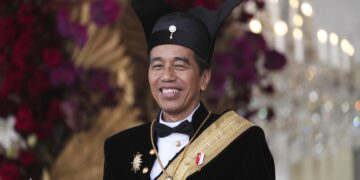































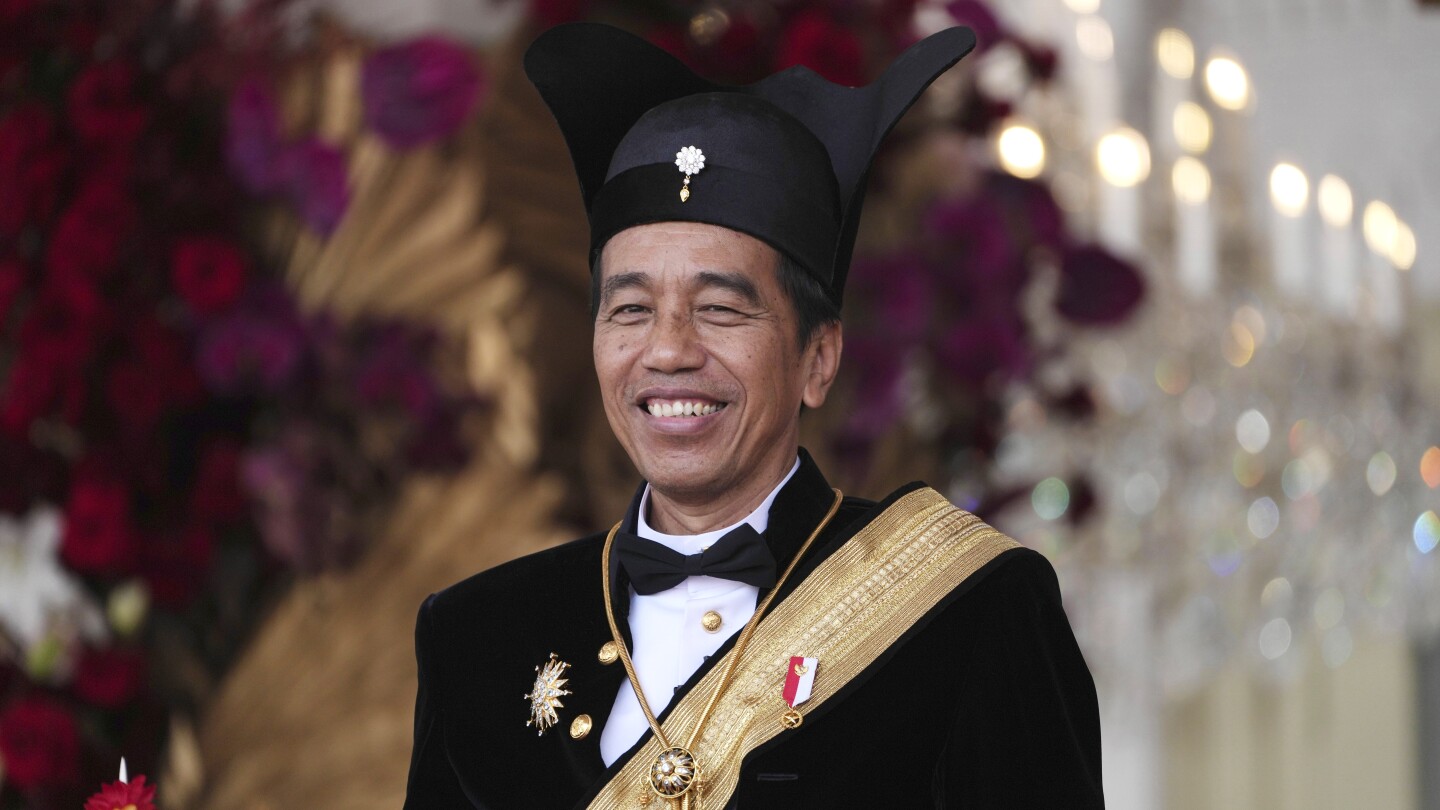
The journey of Joko Widodo from a humble upbringing in a riverside slum, to the pinnacle of Indonesia’s political sphere as its president, is a testament to the nation’s democratic evolution since the days of authoritarian rule. As Widodo approaches the end of his second and concluding five-year term in October, his presidency is marked by robust economic growth and bold infrastructure initiatives, including a $33 billion project to transfer Indonesia’s capital to Borneo.
Critics initially underestimated Widodo when he first assumed the presidency in 2014, but he established himself as a reform-oriented leader dedicated to battling poverty and inequality. His story of rising from the mayor of Solo to the governor of Jakarta before claiming the presidency resonated with many.
Widodo, affectionately known as Jokowi, set himself apart by being the first Indonesian president not from the political or military elite. Despite concerns of political compromise and coalition with former military figures from Suharto’s regime, his leadership has generally been viewed positively.
However, Widodo’s decision to appoint his election rival, Prabowo Subianto, as defense minister in 2019 raised eyebrows. Moreover, his eldest son’s vice-presidential candidacy alongside Subianto in the Feb. 14 elections has sparked debates about the creation of a political dynasty, especially considering the Constitutional Court’s age-requirement exemption led by Widodo’s brother-in-law.
Despite these controversies, Widodo’s popularity remains strong, with approval ratings soaring above 70%. This popularity positions him as a significant influence in the forthcoming elections, even as he advocates for Indonesians to support future leadership in continuing Indonesia’s economic advancement.
Widodo’s tenure is notable for his focus on connectivity and infrastructure across the archipelago’s 17,000+ islands, including ambitious efforts to relocate the nation’s capital to Borneo in an attempt to alleviate Jakarta’s congestion and stimulate economic diversification.
In the face of environmental and indigenous concerns, the construction of the new capital has proceeded, with plans for a grand inauguration on Indonesia’s Independence Day. The overall vision for Indonesia under Widodo’s “Golden Indonesia 2045” aims to see the country emerge as a leading global economy.
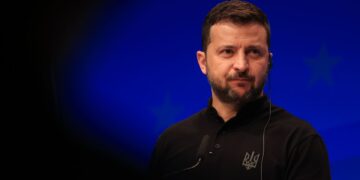
Aside from domestic affairs, Widodo has also ventured onto the global stage, most notably his 2022 visits to Ukraine and Russia amid their conflict, and his diplomatic engagements with leaders like Joe Biden and Xi Jinping.
As he contemplates his post-presidency life, Widodo envisions a return to his roots in Solo and a commitment to environmental conservation, though he remains open to the possibility of changing plans.
___
Contributions to this report made by Associated Press writer Jim Gomez.
FAQ Section
How long has Joko Widodo been the President of Indonesia?
Widodo has been the President since 2014 and is currently in his second and final five-year term, which ends in October.
What are some of Joko Widodo’s major accomplishments during his presidency?
Widodo’s significant achievements include economic growth, infrastructure projects like the capital relocation to Borneo, and enforcing a ban on the export of certain raw materials to encourage local processing.
How popular is Joko Widodo?
Widodo has maintained high approval ratings, often above 70%, even in the latter stages of his ten-year presidency.
What plans does Joko Widodo have after his presidency?
Widodo plans to return to his hometown in Solo and focus on environmental protection, although he acknowledges that his plans could change.
Conclusion
Joko Widodo’s tenure as Indonesia’s president has been characterized by his everyman appeal, substantial infrastructure projects, and an unwavering dedication to Indonesia’s development. With his unique background and approach to governance, Widodo has made significant strides towards a more equitable and robust Indonesian economy. While his administration has faced scrutiny over political dealings and concerns of dynastic ambitions, Widodo’s impact remains widely acknowledged. As this chapter of Indonesian history draws to a close, the nation awaits the legacy that will be left by this influential leader, affectionately known as Jokowi, and the direction future leaders will take following his precedent.