


































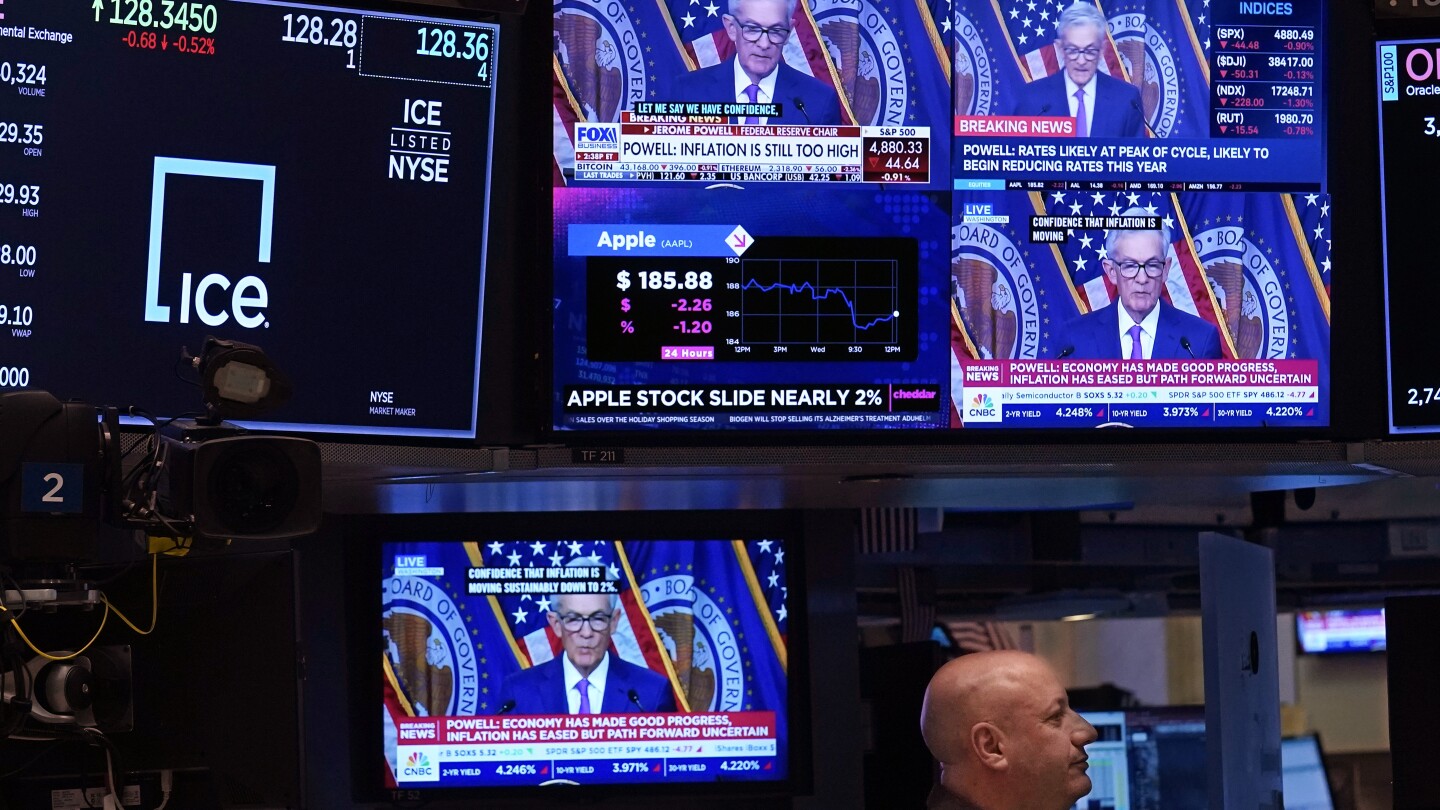
During the COVID-19 pandemic, while income levels increased for some, the wealth gap, particularly along racial lines, widened substantially, a recent report by the New York Federal Reserve Bank has highlighted. The discrepancy is largely due to vast differences in the performance of financial markets; particularly a significant stock market surge in 2021 that reinforced pre-existing patterns of wealth inequality.
A staggering gulf has emerged, with the report showing that from the first quarter of 2019 to the second quarter of 2023, wealth growth for white individuals outpaced that of both Black and Hispanic individuals by 30 and 9 percentage points, respectively. This trend persisted, even though the period exhibited strong governmental financial support and a resilient job market post the initial impact of the pandemic. The unemployment rate for Black Americans dropped to 5.3%, which is close to the lowest recorded level and lower than the overall unemployment rate of 3.7%. Wages for typical full-time Black workers saw an increase of 7.1% compared to the pre-pandemic era.
The substantial wealth gap persists because wealth in white households is more commonly held in stocks and mutual funds. Data from an independent Fed survey demonstrates that as of 2022, nearly 65.6% of white households owned stock, contrasting with just 28.3% of Hispanic households and 39.2% of Black households.
Janelle Jones, Vice President of Policy and Advocacy at the Washington Center for Equitable Growth, emphasized that there is a significant difference “between making gains when it comes to income, and closing that gap, versus when it comes to wealth.” Government interventions such as increased unemployment benefits and stimulus payments helped prevent a deeper recession, but the swell in financial asset prices with the economic revival of 2021 widened racial wealth gaps. The contraction of market-linked assets in 2022 due to rising interest rates could not fully reverse the prior wealth accumulation trends, the New York Fed reported. Variations in real financial asset values significantly contributed to the wealth divergence among races and ethnicities since 2019, with Black households having a larger proportion of their wealth in pensions as opposed to stocks, mutual funds, or ETFs.
Nearly half of Black individuals’ financial wealth is in pensions, and less than a third in private businesses, corporate equities, and mutual funds, which contrasts sharply with less than 30% of white financial wealth being in pensions and approximately 50% in businesses and equity markets.
Factors such as union memberships influencing pension investments and differing inheritances and exposures to stock market investments play a role in racial wealth divides, Jones added. Additionally, while employment and income rates for Black Americans have improved, and there is a rise of Black business ownership and stock market participation, the wealth gap, according to Treasury Deputy Secretary Walley Adeyemo, remains significant, and he alludes to “policy prescriptions” as a potential pathway to bridge this financial disparity.
The challenges of Black-owned businesses during the pandemic, further strained by their concentration in industries most affected by COVID-19, are noteworthy. Black business owners reported being out of work at more than twice the rate of their white counterparts in April 2020.
Adeyemo notes that despite the improvements in economic conditions for Black households with rising employment and wages for Black Americans since before the pandemic, and an increase in Black business ownership, the “gap between Black and white wealth in America is still too great.”
___
The Associated Press receives support from Charles Schwab Foundation for educational and explanatory reporting to improve financial literacy. The independent foundation is separate from Charles Schwab and Co. Inc. The AP is solely responsible for its journalism.
FAQ Section
What is the main cause of the increased wealth gap during the pandemic?
The primary cause of the widened wealth gap is the difference in financial market performances and the disproportionate number of white households owning stocks and investments compared to Black and Hispanic households.
Did government support during the pandemic help reduce wealth inequalities?
Though government measures like increased unemployment benefits and stimulus checks provided relief and mitigated a potential recession, they were not effective in significantly reducing wealth inequalities as asset price increases far outpaced these interventions.
Which racial group has the highest ownership of financial assets in stocks and mutual funds?
White households have the highest percentage of ownership in stocks and mutual funds, with 65.6% owning such financial assets as of 2022.
What types of wealth are more commonly held by Black households?
Black households often have a larger portion of their wealth in pensions, accounting for over 50% of their financial wealth, as opposed to direct investments in stocks, mutual funds, and ETFs.
Is the unemployment rate for Black Americans higher or lower compared to the overall rate?
The unemployment rate for Black Americans has decreased to near-record lows of 5.3%, which is currently lower than the overall unemployment rate of 3.7%.
Have Black-owned businesses recovered from the impact of the pandemic?
Black-owned businesses, particularly those in the industries hardest hit by the pandemic, such as accommodation and food services, have faced significant challenges and have not entirely recovered.
Conclusion
The report from the New York Federal Reserve Bank reveals that though there have been commendable strides in income and employment, particularly for Black Americans, the wealth gap has widened during the pandemic. Stock ownership and other financial investments remain disproportionately low among Black and Hispanic households, highlighting the necessity for comprehensive policies aimed at leveling the economic playing field and fostering financial equity across all racial and ethnic groups. The disparity in wealth is a multifaceted issue that requires sustained attention and strategic interventions to bridge the gap.