
































[ad_1]
The avocado harvest season in Michoacán, Mexico coincides with the American football Super Bowl, which for many local farmers is their own version of the championship game.
The Super Bowl provides a significant economic boost to numerous Mexican households, as they work diligently to supply 138,000 tons of avocados to meet the demands of the event’s festivities, particularly for guacamole, a fan-favorite.
The anticipation for the Feb. 11 game, which features the San Francisco 49ers against the Kansas City Chiefs at Allegiant Stadium in Las Vegas, includes avocados from Michoacán as a staple part of the game day experience.
Héctor Avilés, general manager of Abokados, a leading avocado packing facility in Mexico, explains how both regions celebrate the avocado on Super Bowl day; Michoacán for its labor-intensive harvest leading up to it and the U.S. for enjoying the fruit.
Michoacán is responsible for about 80% of the U.S. avocado import from Mexico. The preparation starts six weeks prior to the Super Bowl, as entire communities partake in various production stages such as planting, harvesting, and packaging before being transported to the U.S.
Avilés mentions the importance of the avocado industry in providing legitimate work and preventing people from falling into organized crime within the region.
A winding path to the north
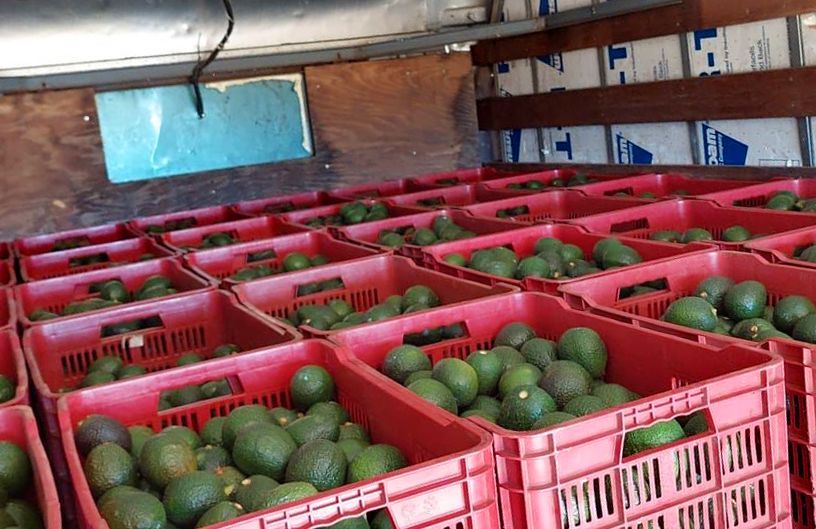
During the peak season, trucks loaded with avocados head north to the U.S. every seven minutes. Each truck typically transports 132,000 avocados valued between $80,000 and $100,000, and the trek involves traveling through some of Mexico’s less safe regions.
Upon arrival in the U.S., the cargo is carefully sealed and inspected by American and Mexican authorities, following a journey that covers approximately 12-14 hours by day through several Mexican states.
Despite precautionary measures, the threat of theft by criminal groups persists, leading to losses of numerous shipments each year. Escort services are sometimes employed to mitigate this risk during high value periods.
Avilés reflects on the lost shipments of the previous years, emphasizing the swift and efficient methods criminal organizations employ to hijack the cargo.
From restriction to rapid growth
Despite past bans due to pests, Mexican avocados have flourished into one of the major exports to the U.S., with sales spiking during the months leading up to the Super Bowl.
Strict protocols and security accompany the entire production and exportation process to ensure traceability and adherence to standards.
Avocado trees take several years to mature and are monitored throughout the cultivation process, with picked fruit headed for rigorous sorting and packing before reaching the U.S. consumer.
The local tradition turns into a community gathering where laborers partake in the harvest from dawn to dusk, and over 200 workers are needed to load just one shipping truck.
Avilés emphasizes the inclusiveness of the industry in providing jobs to people who might not be aware of the Super Bowl but recognize the season as a time of abundant work and income.
Football and avocados: Celebrating together
The fever pitch of avocado demand is in February, as the NFL season culminates. Orchards operate incessantly to supply the fruit for Super Bowl festivities, but the perishable nature limits the inventory, preventing advance purchasing.
With size variations, avocados from California, despite being a local producer, are largely supplanted by imports from Michoacán, which also send a considerable amount of product to Texas, the prime purchasing state.
As the Super Bowl kicks off, a significant portion of the avocados consumed by viewers in the U.S. come from the efforts of Mexican farmers, whose passion for the fruit is much more than just a source of revenue—it’s a way of life.
[ad_2]
FAQs about Mexico’s Avocado Industry and the Super Bowl
Q: How much avocado is exported from Michoacán, Mexico during the Super Bowl season?
A: Approximately 138,000 tons of avocados are exported to the U.S. for the Super Bowl season.
Q: How long before the Super Bowl is the kickoff for the avocado season in Michoacán?
A: Preparation for the Super Bowl avocado season in Michoacán begins six weeks before the game.
Q: What challenges does the avocado industry face during transportation?
A: The journey to the northern border is fraught with the risk of theft by criminal organizations. Extra security measures and inspections are often necessary.
Q: What led to an increase in avocado exports from Mexico to the U.S.?
A: Detailed export protocols and security helped increase Mexican avocado sales to the U.S. after a previous ban due to larvae issues.
Q: Who consumes the most Michoacán avocados in the U.S.?
A: California is a major consumer, but Texas is the top buyer of Michoacán avocados because of its proximity and distribution capabilities.
Conclusion
As the anticipation for the Super Bowl reaches its peak in the United States, so does the ardor for avocados in Michoacán, Mexico. This remarkable symbiosis between an American sporting event and Mexican agriculture highlights the intricate connections in our global economy. Also, it showcases how a single event can significantly impact the livelihood of communities thousands of miles away. While football fans cheer on their favorite team, behind the scenes, hundreds of thousands of people in Michoacán will be rooting for a successful season that has become not just an economic mainstay but a fundamental part of their culture and identity.