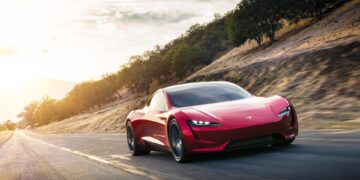


























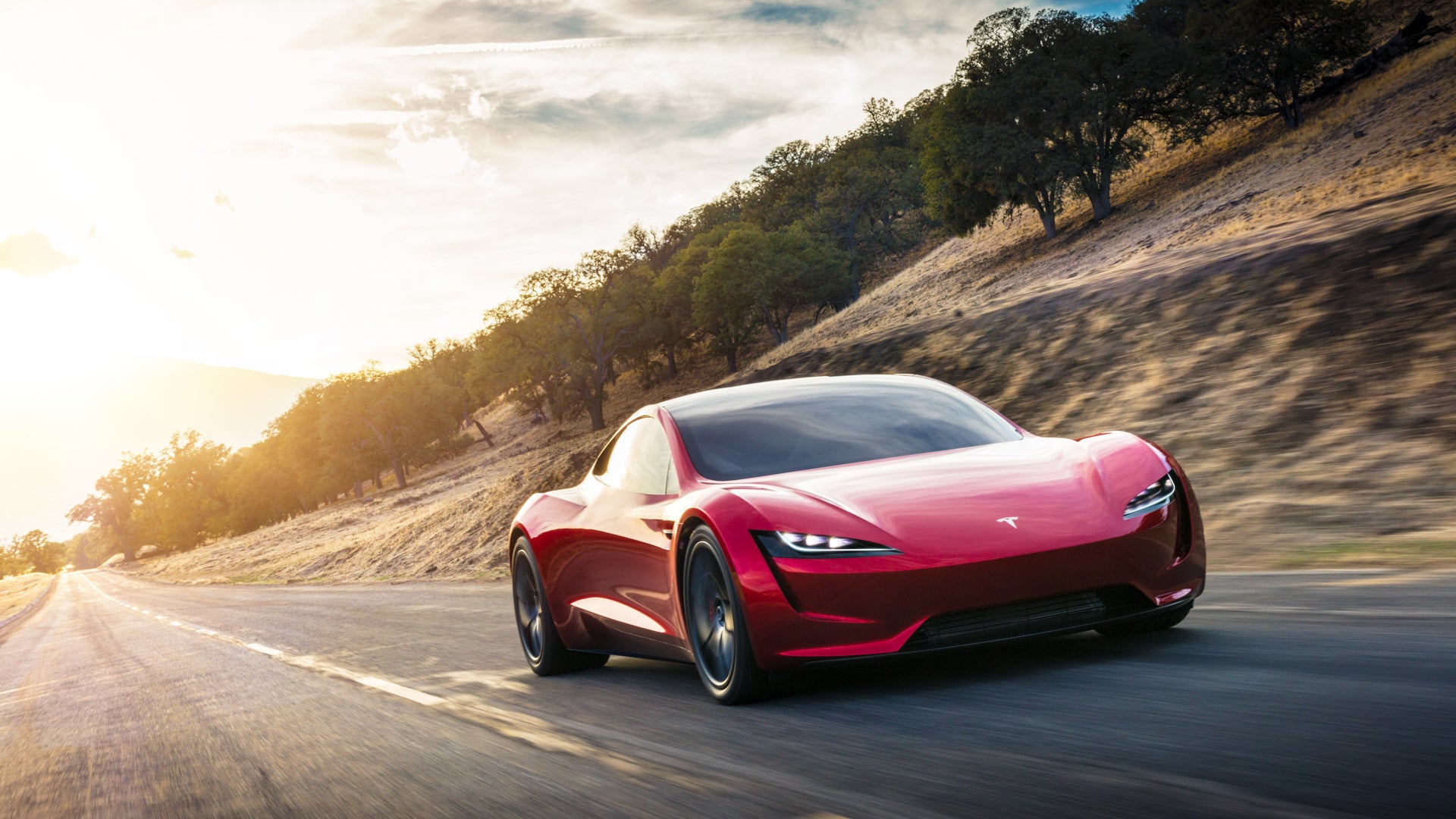
Elon Musk has set a new bar for the upcoming second-generation Tesla Roadster, claiming an acceleration speed that defies current industry benchmarks. The latest update from Musk suggests that the vehicle will blaze from 0 to 60 miles per hour in less than one second, eclipsing the previous estimate of 1.9 seconds and challenging the limits of electric supercar performance.
In a statement made via social media, Musk explained, “Tonight, we radically increased the design goals for the new Tesla Roadster. There will never be another car like this, if you can even call it a car,” indicating a significant revision to the Roadster’s initial performance targets.
When Tesla tweet-afficionado Sawyer Merritt inquired about the Roadster’s 0-60 mph specifications, Musk confirmed the ambitious target: “0-60mph < 1 sec," adding "And that is the least interesting part." suggesting even more revolutionary features for the Roadster.
The notion of such rapid acceleration has raised eyebrows, considering the current record-holder for quickest acceleration is the Rimac Nevera, clocking in at 60 mph in just 1.74 seconds during a record-breaking session in Germany.
With 1,914 horsepower and 1,741 lb-ft of torque at its disposal, the Nevera represents the pinnacle of electric supercar engineering, utilizing advanced battery technology and structural materials to achieve such feats. The Tesla Roadster will, presumably, need to exceed these specs to actualize Musk’s claim.
Despite the hype, the Roadster remains shrouded in mystery, with no confirmed specs, no real-world demonstrations of its capabilities, and a perpetually shifting release window.
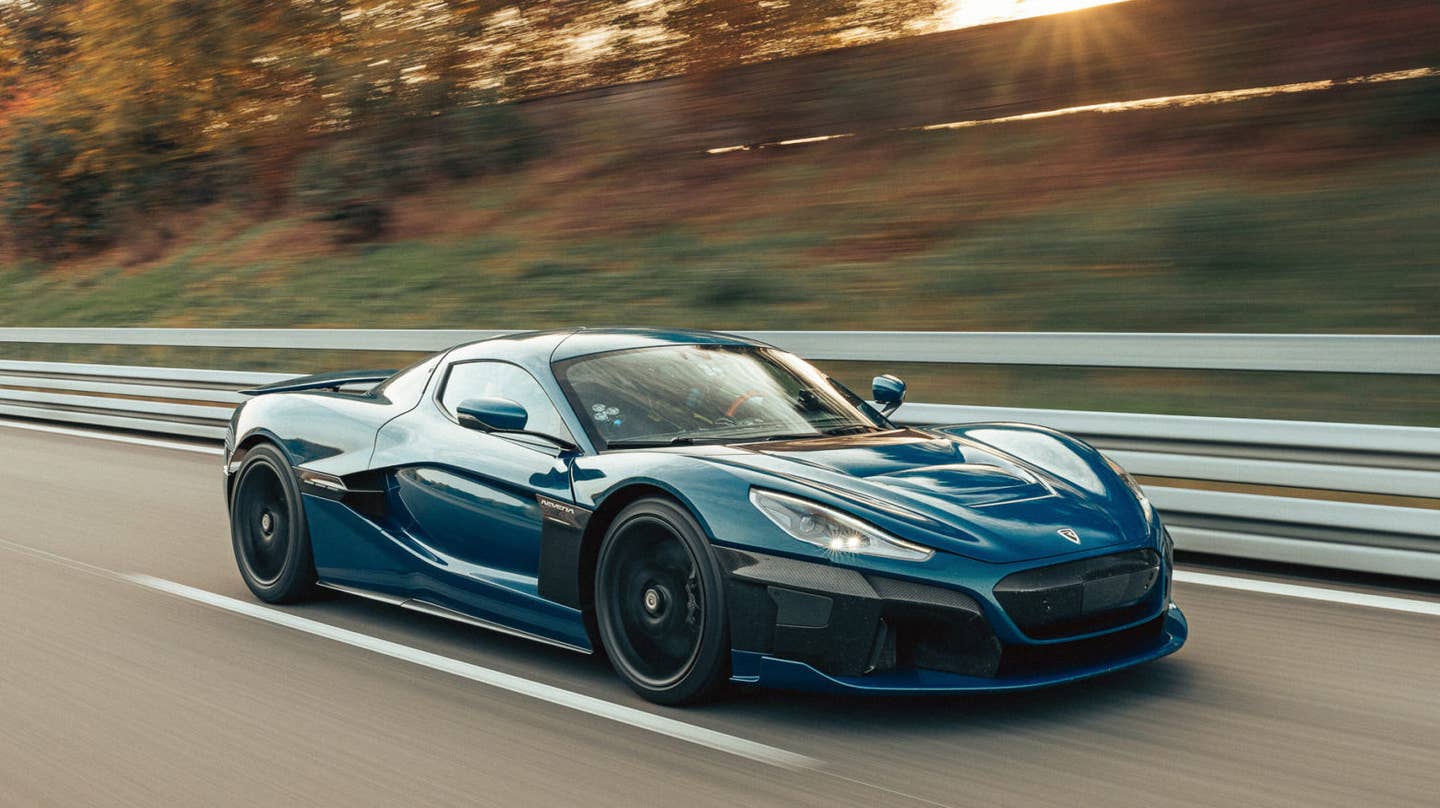
Rimac Nevera. Rimac
Cautionary tales from Tesla’s past product launches, such as the Cybertruck, suggest that Musk’s proclivity for grandiose announcements may not always translate into reality. With performance stats and pricing shifting from their initially stated targets, skepticism remains a reasonable response to such extraordinary claims.
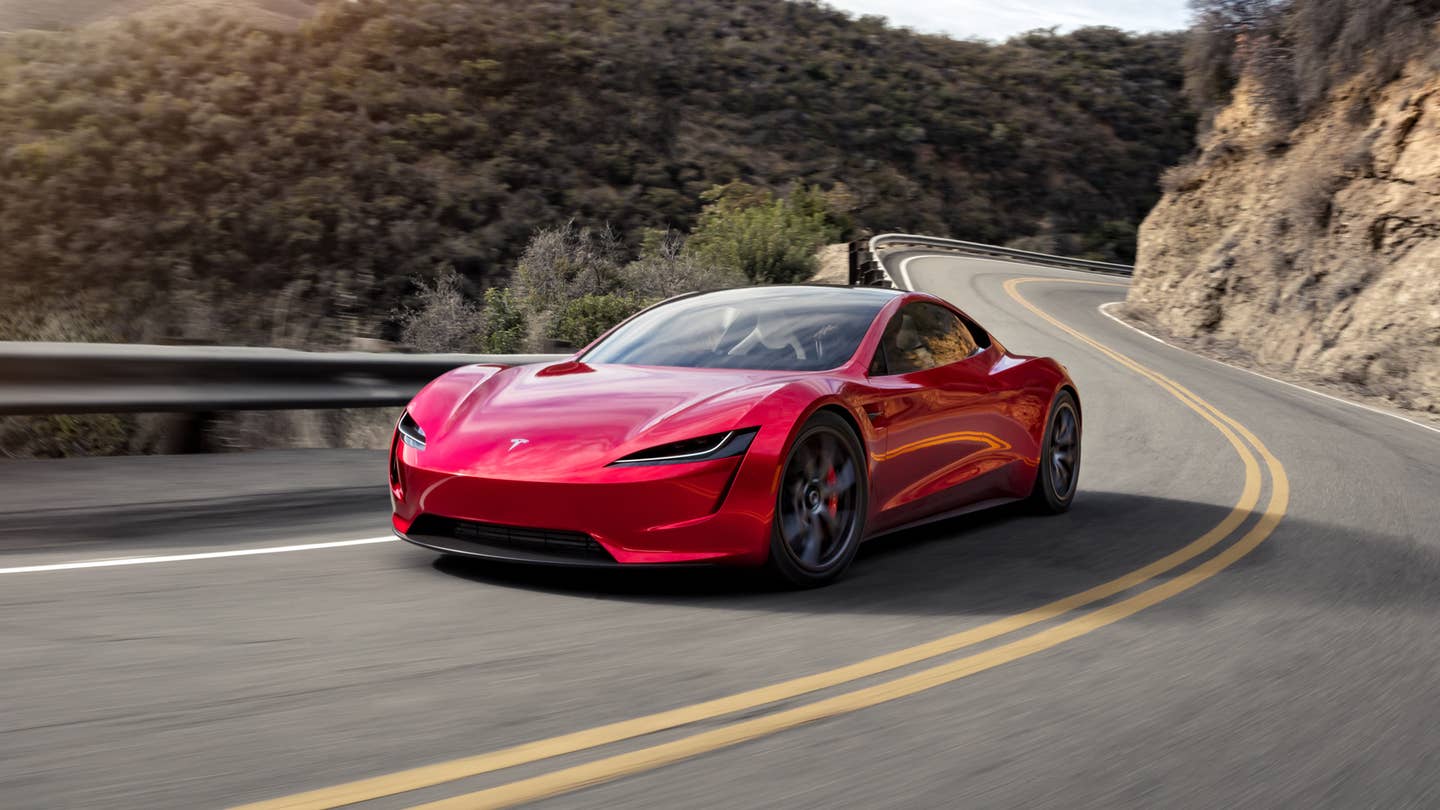
Tesla
It’s not out of the realm of possibility for a vehicle to break the one-second threshold, as demonstrated by Swiss students with their small-scale electric car hitting 60 mph in 0.956 seconds, but those were specialized conditions far removed from the constraints of a production model built for everyday roads.
Given the ambitious nature of Musk’s claims for the Roadster—a vehicle that is supposed to offer the practicalities of a road-legal car along with unparalleled performance—it appears that only time will tell whether these claims can become reality.
Got tips? Send ’em to tips@thedrive.com
[ad_2]
FAQ Section
What has Elon Musk claimed about the new Tesla Roadster’s performance?
Elon Musk has claimed that the new Tesla Roadster will be able to accelerate from 0 to 60 mph in under one second.
Is it possible to achieve such acceleration in a road-legal car?
While it is technically possible, the realities of production model constraints make such acceleration challenging to achieve in a road-legal car.
Which car currently holds the record for the quickest acceleration?
The Rimac Nevera holds the record for the quickest accelerating production vehicle, with a 0 to 60 mph time of 1.74 seconds.
Has Tesla provided any proof of the Roadster’s performance capabilities?
No, as of now, there have been no real-world demonstrations or confirmed specs provided for the Tesla Roadster.
Could Tesla’s past inconsistencies in product performance affect the credibility of the Roadster’s claims?
Yes, past instances such as the discrepancies around the Cybertruck’s initially stated performance claims have led to skepticism regarding Musk’s announcements.
Conclusion
The audacious promise of a sub-second 0 to 60 mph supercar has set a high expectation for the Tesla Roadster. Although Elon Musk’s track record of ambitious claims about Tesla’s vehicles has generated excitement, it has also warranted caution due to inconsistencies between promises and delivery. If the Tesla Roadster does indeed shatter the current records, it will represent a groundbreaking achievement in electric vehicle performance. However, until we see tangible proof or official specs, it may be wise to temper expectations with a healthy dose of reality.