

































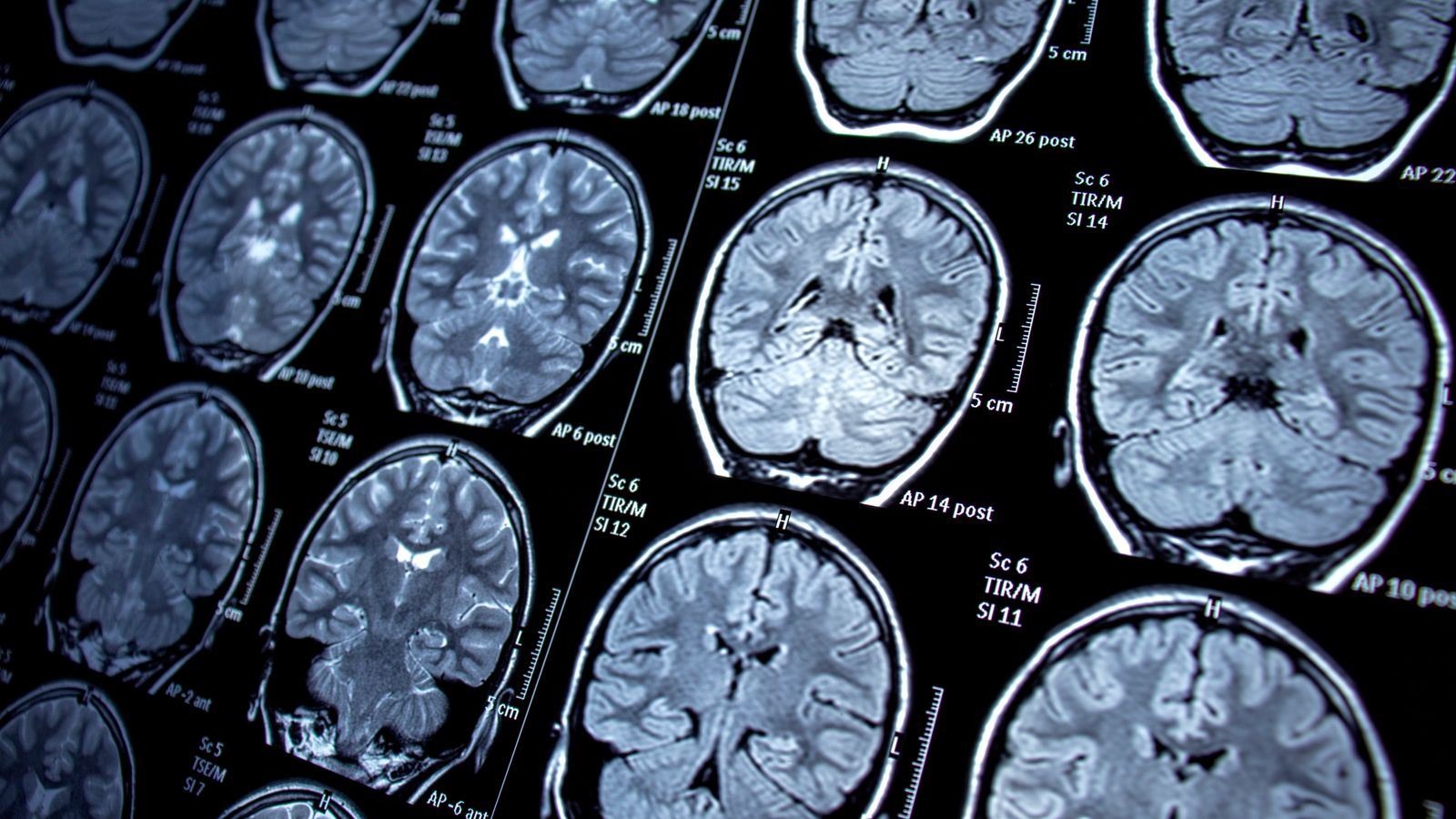
Recent research indicates that the brain fog experienced by long COVID patients could stem from blood-brain barrier disruptions. The study observed that the culprit behind these cognitive difficulties could be leaky blood vessels.
An investigative team from Trinity College Dublin alongside FutureNeuro research centre analyzed data from patients hospitalized with coronavirus during early 2020 and compared it with individuals prior to the pandemic. The study was published in Nature Neuroscience.
Findings showed a correlation between long COVID patients with leaky blood-brain barriers and the presence of brain fog. Conversely, patients without a marked disruption did not exhibit the same cognitive impairment.
Professor Matthew Campbell highlighted the significance of these findings in understanding the pathophysiology of long COVID and their implications for future targeted treatments.
Professor Colin Doherty added his voice to the acclaim for the study, noting its potential impact on how post-viral neurological conditions are perceived and treated.
Even though the presence of disruption in the blood-brain barrier is evident in acute COVID infections and in long COVID with cognitive impairment, the exact impact on brain function remains to be fully understood.
The British Heart Foundation references a study by University College London, which points out that blood-vessel leakage is not unusual in inflammatory diseases.
Long COVID is characterized by a range of persisting symptoms, including fatigue, breathing difficulties, cognitive issues, as well as muscle and joint pain. Any of these enduring for over 12 weeks are indicative of the syndrome.
Statistics from the Office for National Statistics in the UK estimated that, as of March of the previous year, some 1.9 million individuals were dealing with long COVID in a private household setting.
FAQs About Long COVID and Brain Fog
- What is long COVID?
- Long COVID refers to a condition where individuals continue experiencing symptoms such as fatigue, shortness of breath, brain fog, and muscle pain for more than 12 weeks after the initial coronavirus infection.
- What did the study by Trinity College Dublin discover?
- The study found that leaky blood vessels might be the reason some long COVID patients suffer from brain fog, suggesting a disrupted blood-brain barrier could be a contributing factor.
- How common are leaky blood vessels in medical conditions?
- According to the British Heart Foundation, leaky blood vessels are common in many inflammatory diseases.
- How many people are affected by long COVID?
- As of a report from March of the previous year, approximately 1.9 million people in the UK were experiencing symptoms consistent with long COVID.
Conclusion
The recent study offers compelling evidence that challenges arising from long COVID, such as brain fog, could be linked to a compromised blood-brain barrier. This breakthrough stands to pave the way for advancements in the understanding and treatment of long COVID and its neurological aspects. As our knowledge of this post-viral syndrome expands, so too will the potential for more effective interventions aimed at alleviating the prolonged suffering faced by millions.