
































In a surprising turn of events, the autonomous vehicle company backed by Google, Waymo, has announced a software recall for its entire fleet. This decision comes after two distinct collisions that occurred in December, where Waymo vehicles struck the same truck within minutes of each other at different locations. Despite the oddity of these incidents, Waymo has responsibly managed the situation amid growing scrutiny of the self-driving industry.
On its official blog, Waymo communicated that it had voluntarily filed a recall with the NHTSA, following events from December 11, 2023, in Phoenix, Arizona. The company explained that one of its autonomous vehicles (AV) had collided with a pickup truck being towed incorrectly by a tow truck, which was occupying the central turn lane and part of the traffic lane. The Waymo AV mistook the trajectory of the conjoined vehicles, leading to a collision with the pickup, resulting in minor damage. Moreover, the tow truck left the scene after the incident.
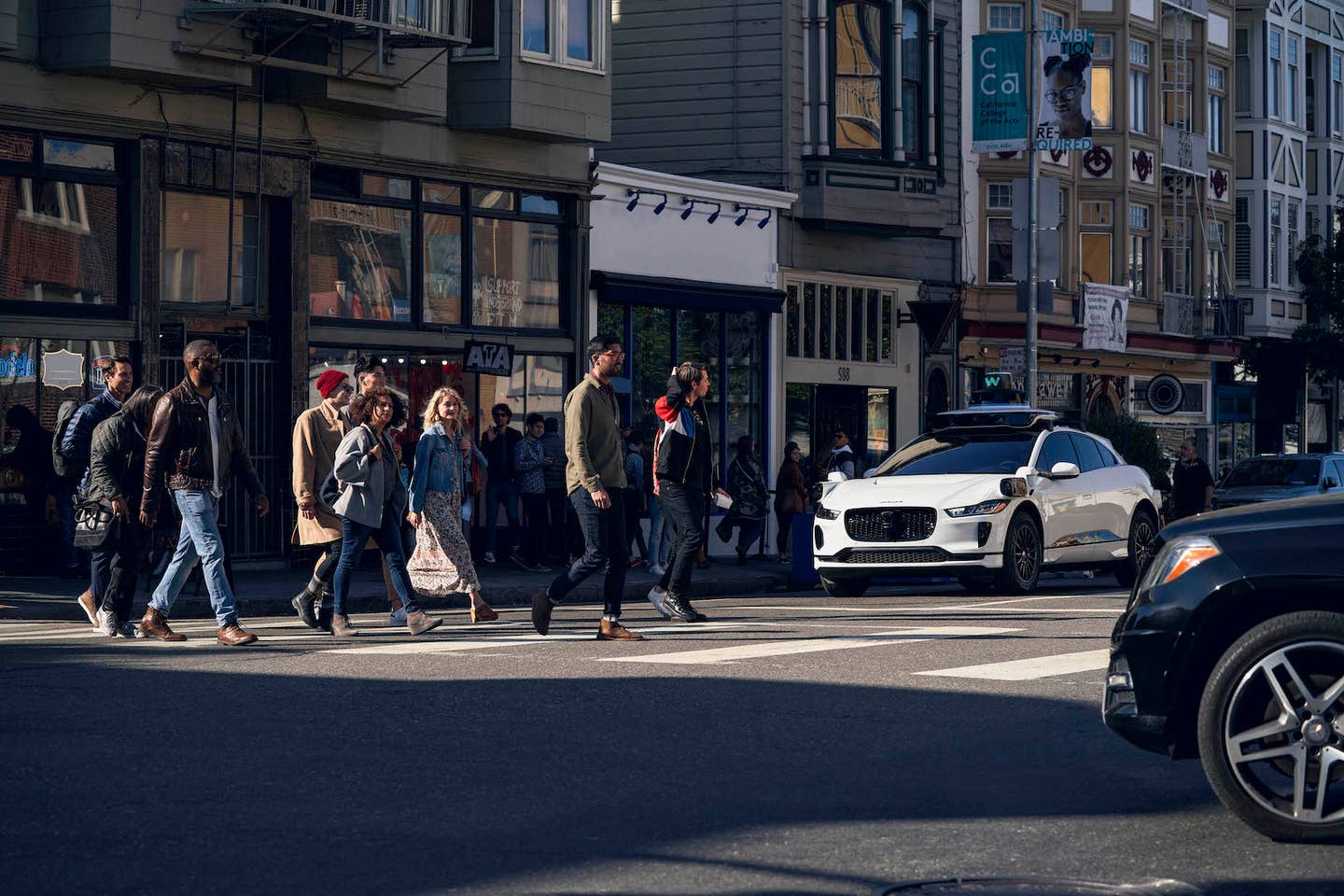
Jaguar I-Pace Waymo AV at an intersection. Waymo
Shortly after the first mishap, another Waymo vehicle encountered the same tow truck performing a similar towing task, leading to the second Waymo AV “making contact with the same pickup truck.” according to the company. Waymo stated that the vehicles were unoccupied, the damages were minor, and no one was injured. Following the incidents, Waymo rapidly informed the Phoenix Police Department, Arizona Department of Public Safety, and submitted a notice to the NHTSA by December 15. Waymo has promptly rolled out a software update to rectify the misinterpretation that led to the collisions, which all of its AVs have integrated since January 12.
The firm’s forthrightness and swift action contrasts with the conduct of competitors like Cruise and Tesla in similar events. Cruise was reprimanded for concealing evidence after an accident that involved dragging a pedestrian, which led to a suspension of their driverless operation permit. Tesla, on the other hand, engaged in a protracted dispute with the NHTSA over weak driver monitoring before releasing a significant recall update. This was in relation to several collisions featuring Teslas on Autopilot and Full Self-Driving modes with parked emergency vehicles. Even though Waymo’s incidents are less severe, the crashes raise concerns about the responsibility distribution in driverless vehicle operability.
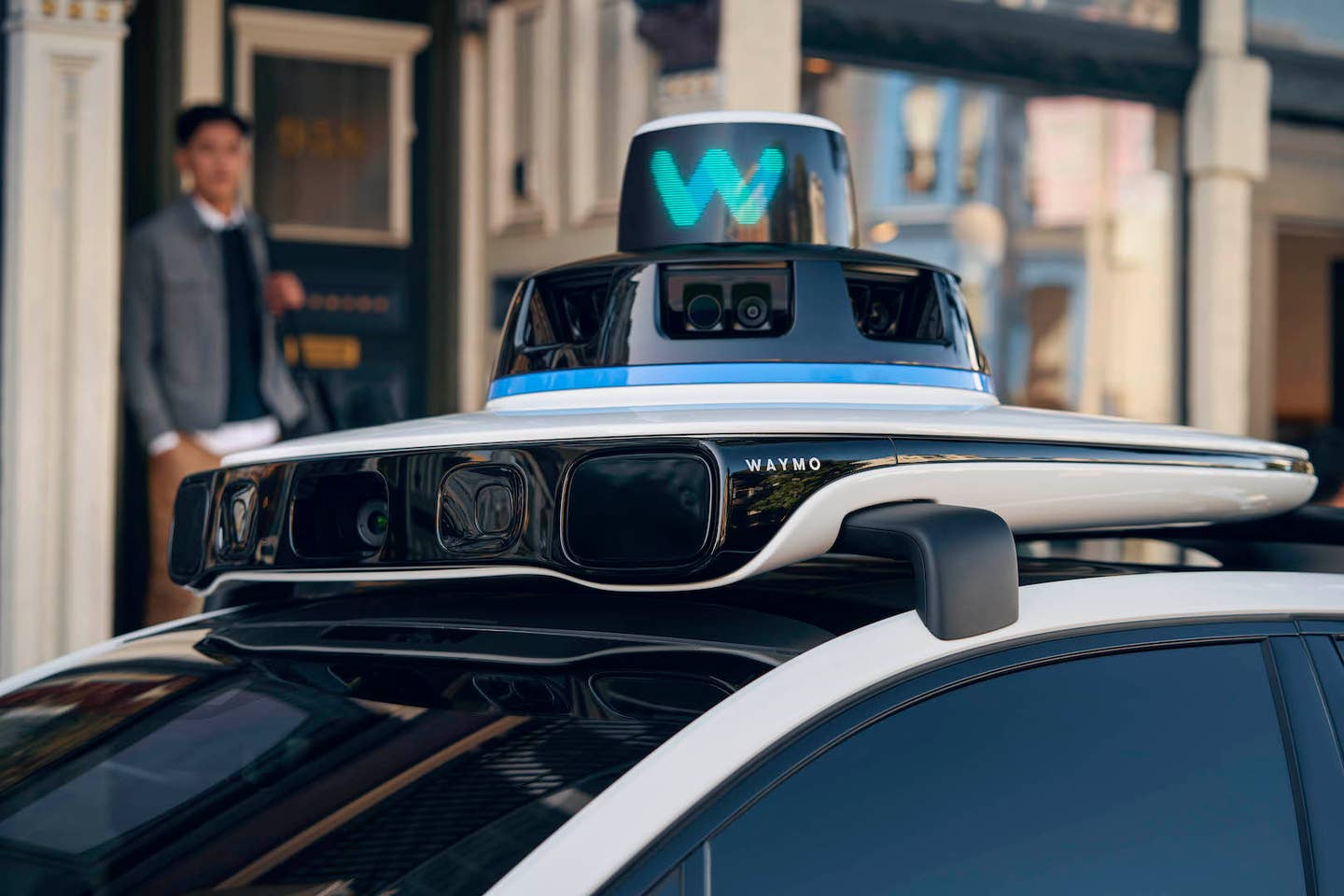
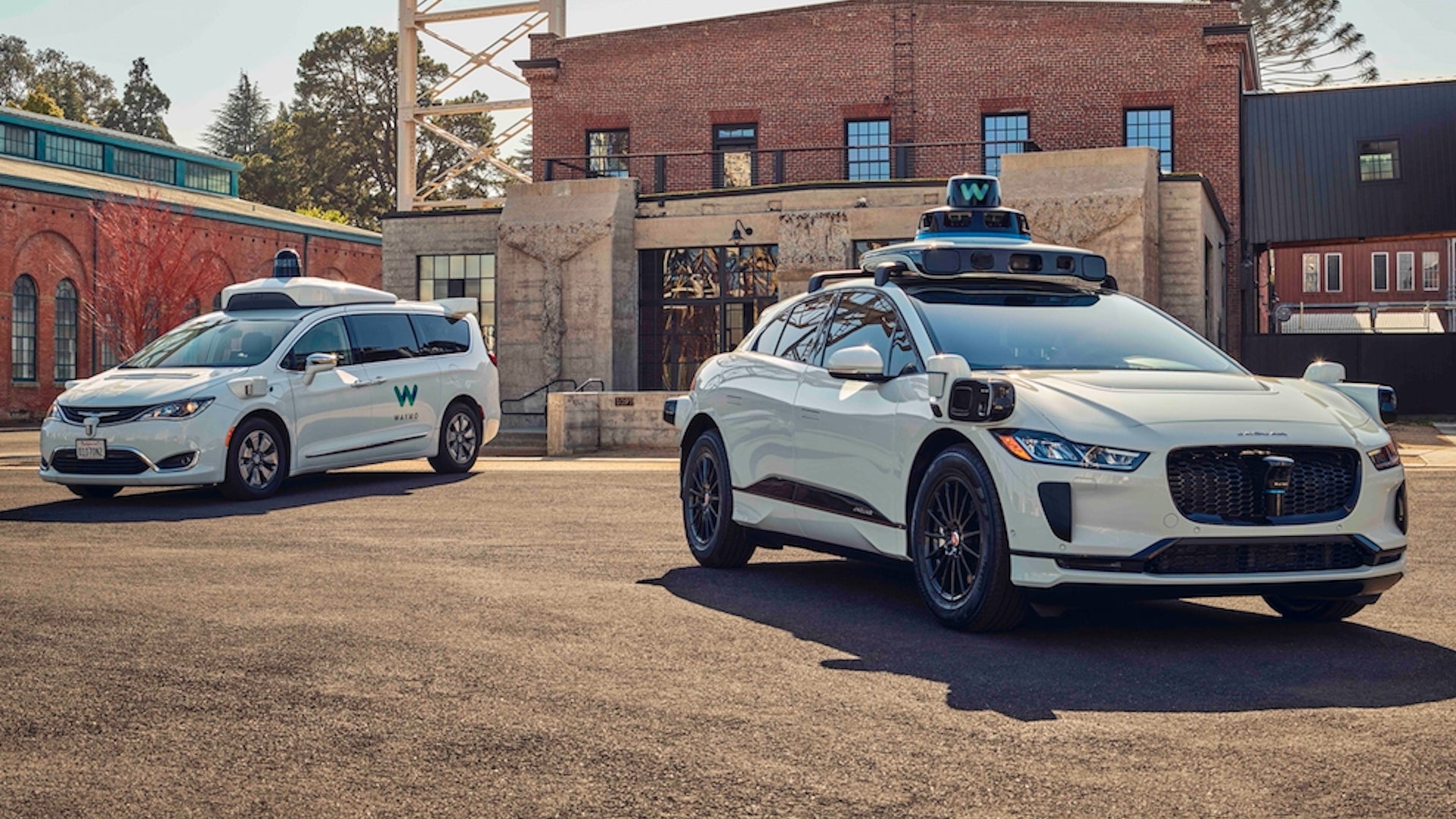
Waymo AV sensor suite. Waymo
Though the accidents related to Waymo AVs in Phoenix were minimal, they’ve surfaced at a time when the autonomous vehicle industry is facing heightened scrutiny, and any controversy could fan the flames of opposition.
Got a tip or question for the author? You can reach them here: james@thedrive.com
[ad_2]
FAQ about Waymo’s Autonomous Vehicle Recalls
- Why did Waymo issue a recall for their autonomous vehicles?
- Waymo issued a software recall after two of its vehicles collided with the same tow truck that was towing a pickup truck incorrectly across a center turn lane, leading to two separate collisions within minutes.
- Were there any injuries caused by the Waymo vehicle collisions?
- No, there were no injuries reported. The Waymo vehicles were unoccupied, and the damages incurred were minor.
- How did Waymo respond to the incidents?
- Waymo responded by immediately notifying the police, the Arizona Department of Public Safety, and the National Highway Traffic Safety Administration (NHTSA). The company also rapidly deployed an updated software fix across its entire fleet to prevent a similar scenario from occurring in the future.
- Has the new Waymo software update been implemented?
- Yes, the software update initiated by Waymo aimed at addressing the specific cause of the collisions has been implemented across all their autonomous vehicles as of January 12.
Conclusion
Waymo’s quick response to an exceptional series of events where its autonomous vehicles collided with the same truck twice not only demonstrates the company’s commitment to safety but also highlights the challenges that still accompany the integration of self-driving technology into our roadways. As the industry continues to evolve, continuous monitoring, transparent reporting, and agile response mechanisms will be essential for maintaining public trust and enhancing the safety of autonomous transportation.